

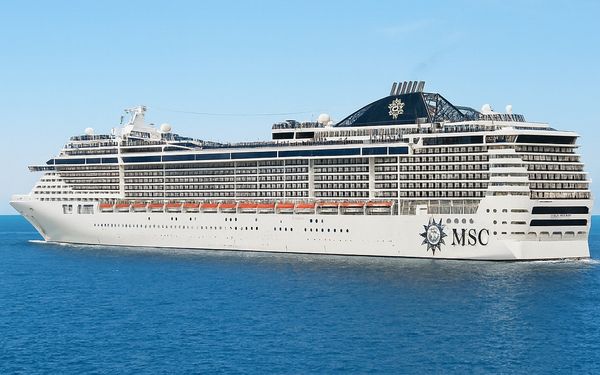
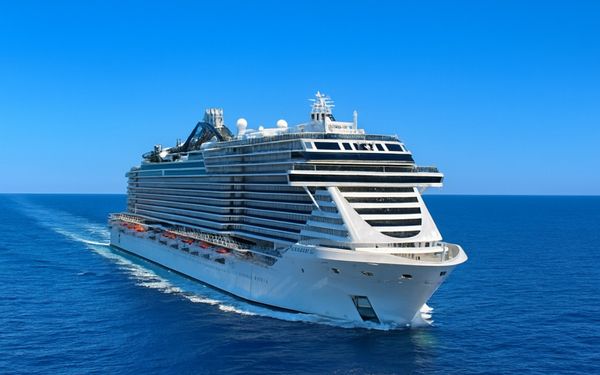
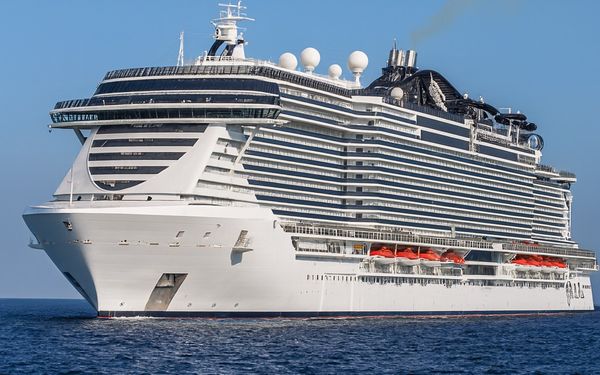
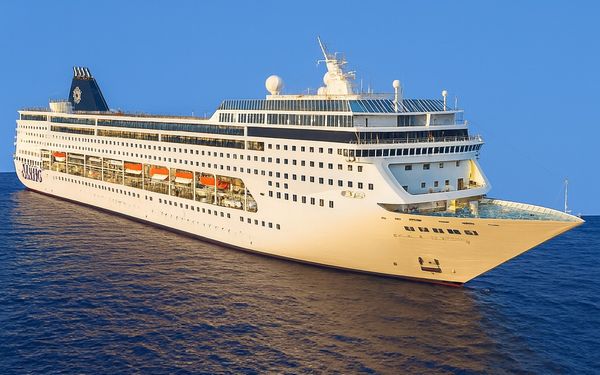
The MSC Cruise Line fleet consists of 22 active cruise ships, ranging from ships built in 2001 to 2024. The average MSC ship carries approximately 4,391 passengers and measures 1,027 feet in length. The combined fleet represents an estimated $16.3B in today's adjusted build cost.
All 22 ships


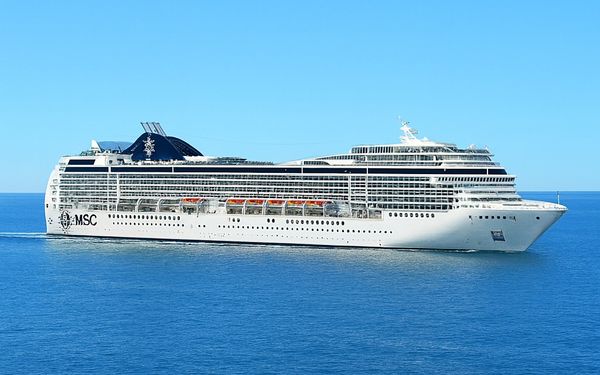
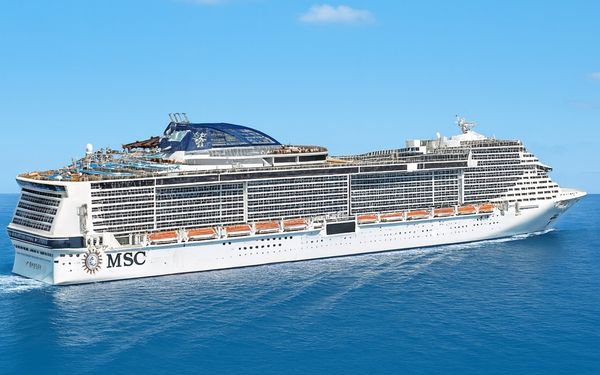


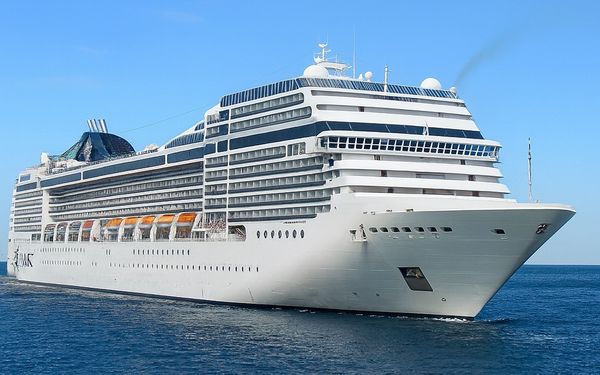
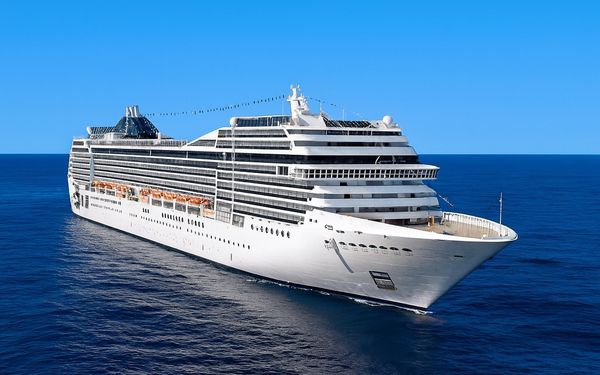



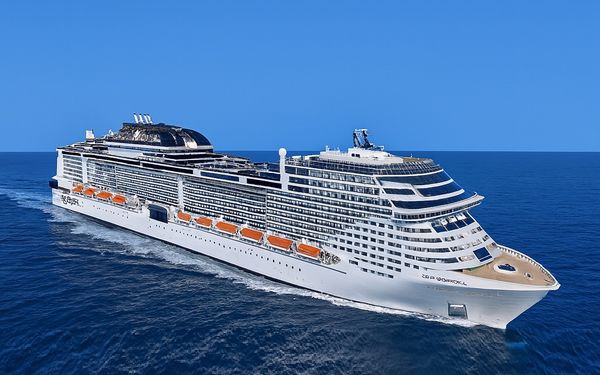

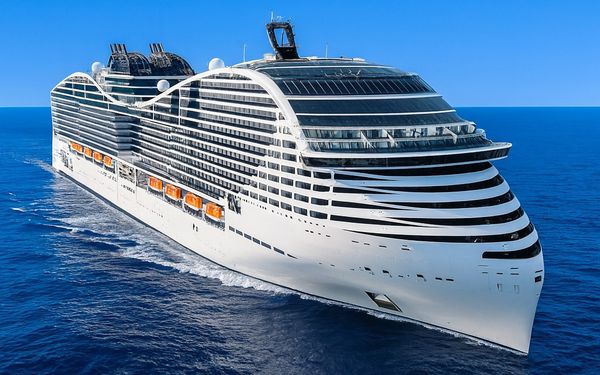
How big is my MSC ship?
Every MSC cruise ship in the fleet, ranked by size. Toggle between graphs to view a size comparison by gross tonnage, length and a scatter plot showing how the two relate for each MSC ship.
The largest MSC ship is World America at 216k gross tons and 1,092 feet. The smallest is Sinfonia at 58k GT, while the longest ship is Seascape at 1,112 feet.
How old is my MSC ship?
MSC cruise ships span in age by 24 years, from 2001's Armonia to 2025's World America. Toggle the charts to view a full ships-by-size timeline to view all MSC ships from oldest to newest.
MSC ships by class
Explore each of MSC's ship classes. The vessels included will share similar blueprints and features as part of that class.
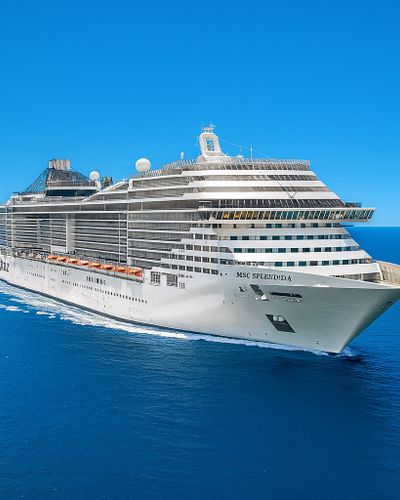
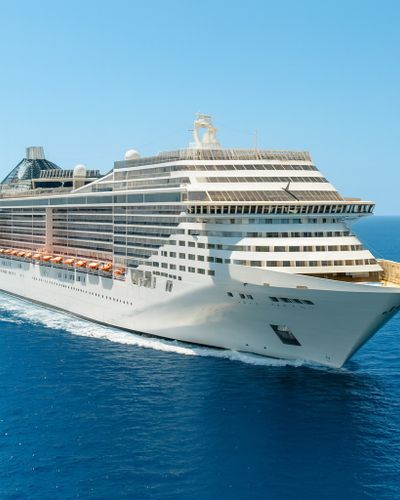
Fantasiaclass
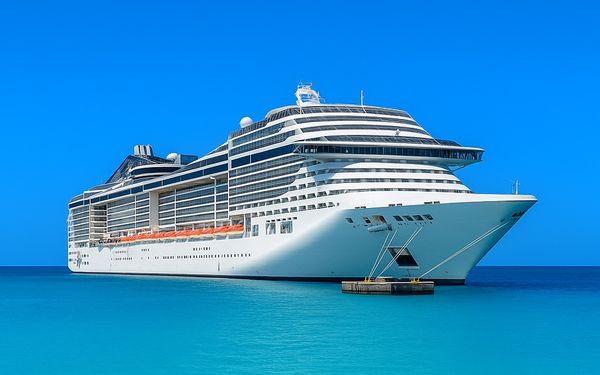
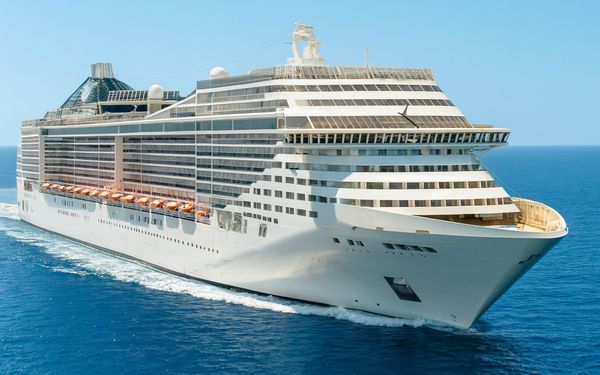
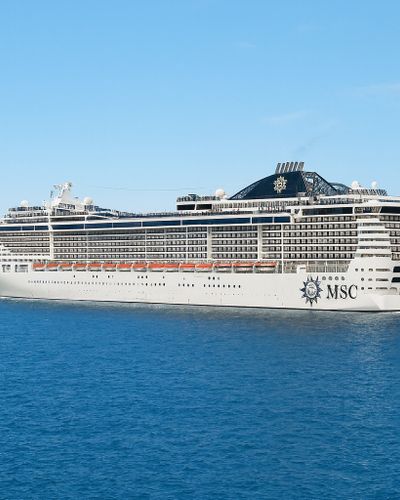
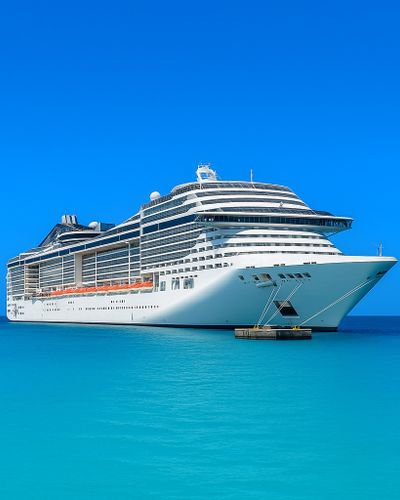
2010'sThe Fantasia class marked MSC Cruises’ entry into the mega-ship era, with each vessel measuring approximately 137,936 gross tons and carrying around 4,363 passengers.,These ships debuted the exclusive MSC Yacht Club, a ship-within-a-ship luxury enclave with a private pool, butler service, and dedicated restaurant.
Liricaclass
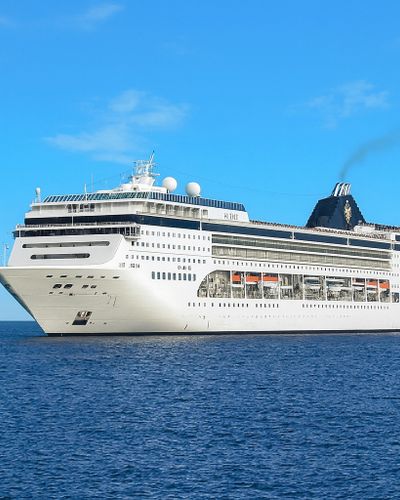
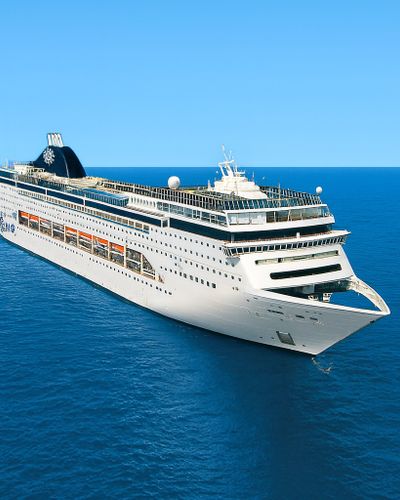
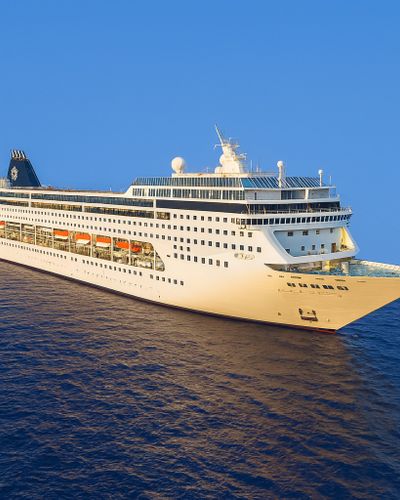
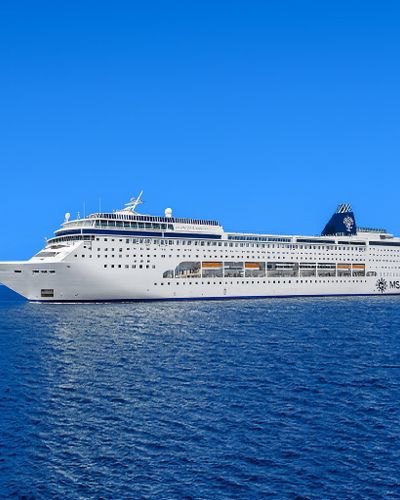
2000'sThe Lirica class comprises MSC Cruises’ earliest purpose-built ships, originally measuring around 58,600 gross tons before being stretched to roughly 65,000 gross tons during the 2014-2015 Renaissance Programme.,These intimate mid-size vessels now carry up to 2,679 passengers and offer a classic European cruising experience suited to Mediterranean itineraries.
Meravigliaclass
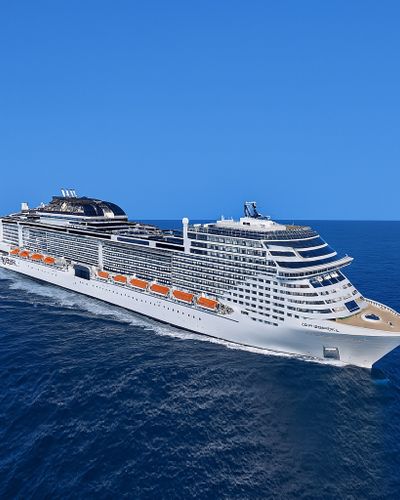
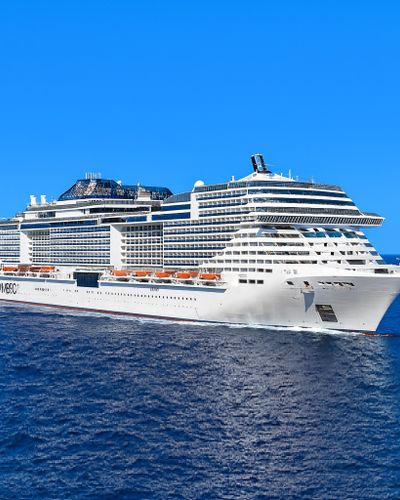
2010'sAt approximately 171,598 gross tons and carrying up to 5,714 passengers, the Meraviglia class introduced a dramatic 96-meter LED-domed indoor promenade and dedicated Cirque du Soleil at Sea performances.,These ships represented a major leap in onboard entertainment and dining variety for MSC Cruises.
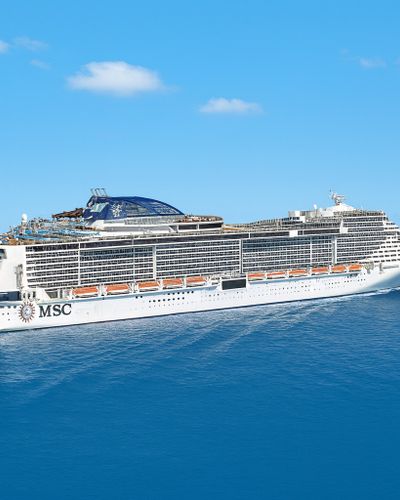
Meraviglia Plusclass
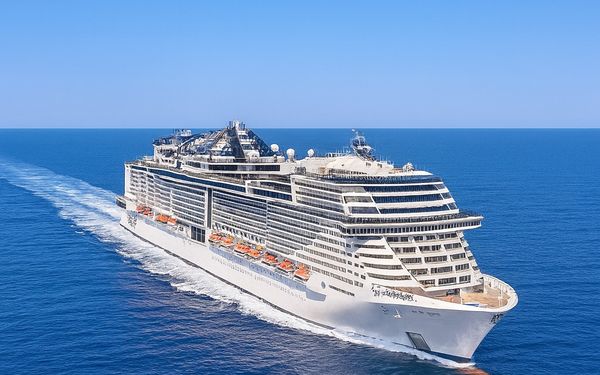
2010'sThe Meraviglia Plus class builds on the Meraviglia design with an additional 10,000 gross tons, bringing each ship to approximately 181,541 gross tons and accommodating up to 6,334 passengers.,Notable additions include an expanded indoor promenade and one of the first humanoid robotic bartenders at sea.
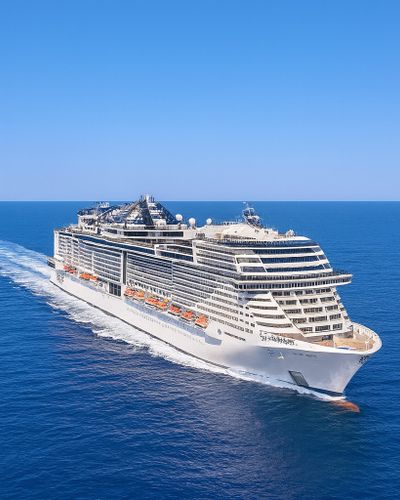
Musicaclass
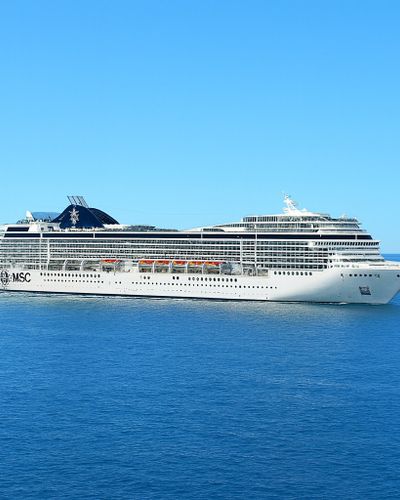
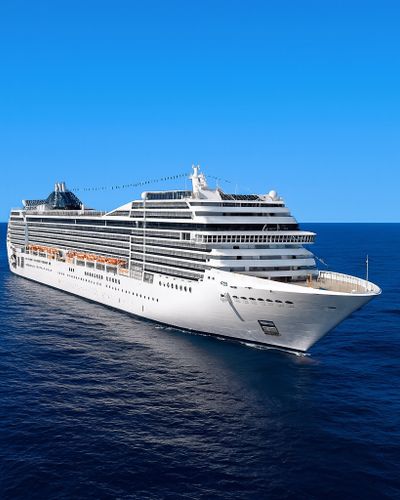
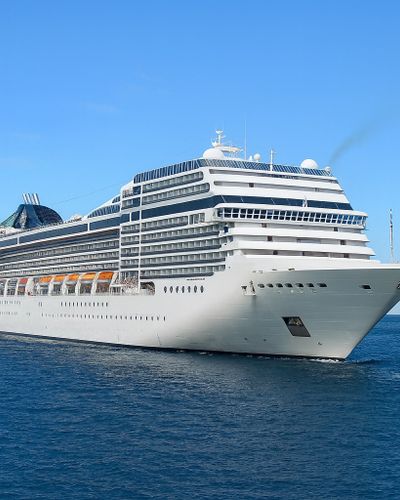
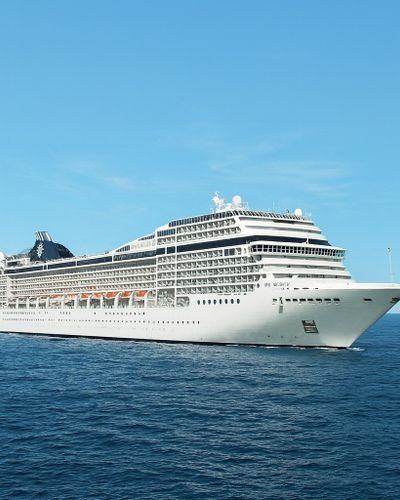
2000'sThe Musica class ships measure approximately 92,409 gross tons each and carry around 3,013 passengers, representing MSC’s second generation of purpose-built vessels.,Known for their elegant European interiors featuring Swarovski crystal staircases, these mid-size ships offer a refined onboard atmosphere well-suited to global itineraries.
Seasideclass
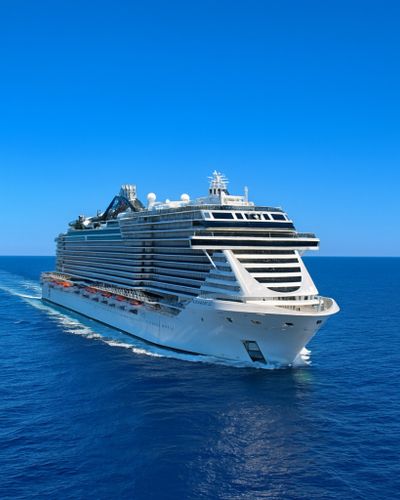
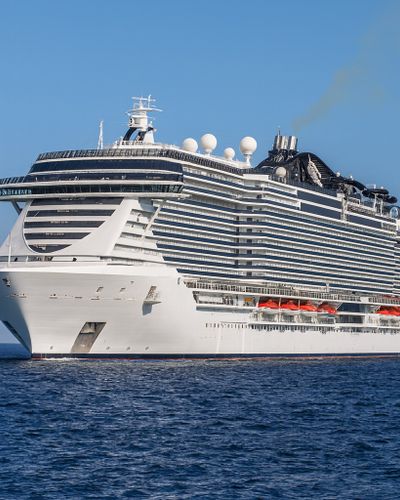
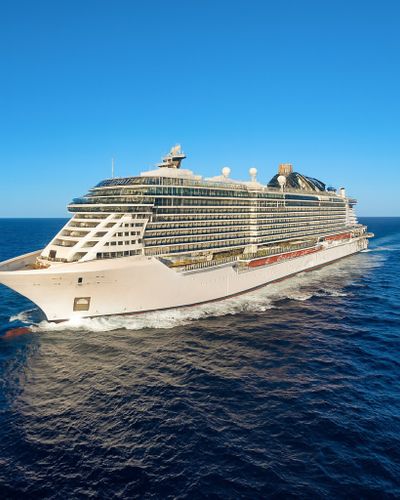
2020'sThe Seaside class introduced a distinctive beach-condo-inspired design at approximately 153,516 gross tons, with a wraparound waterfront boardwalk and a glass-floored Bridge of Sighs extending over the sea.,Carrying up to 5,179 passengers, these ships were purpose-built for warm-weather itineraries in the Caribbean and Mediterranean.
Worldclass
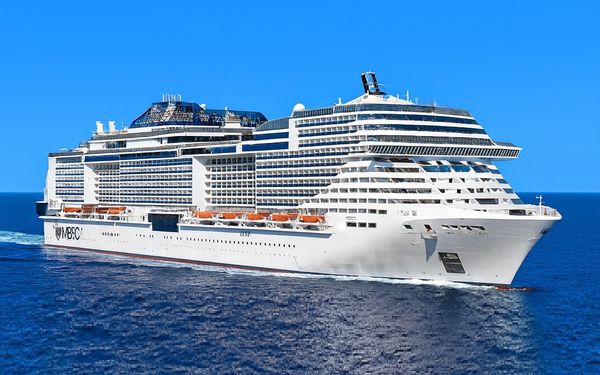
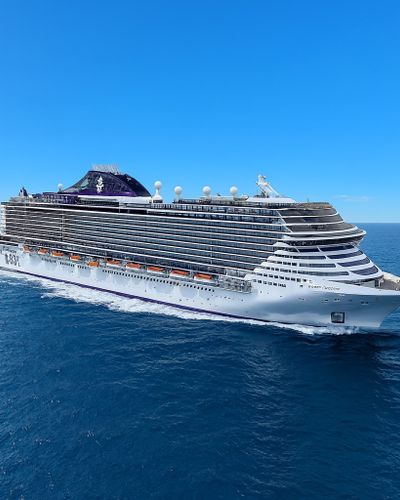
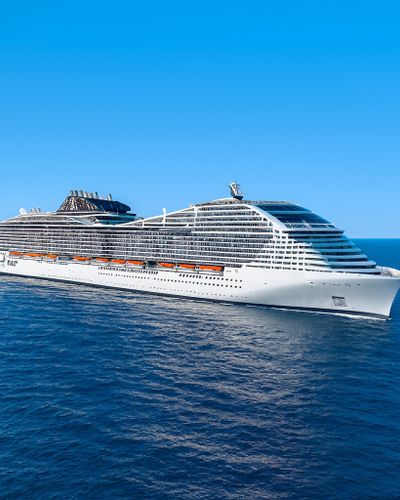
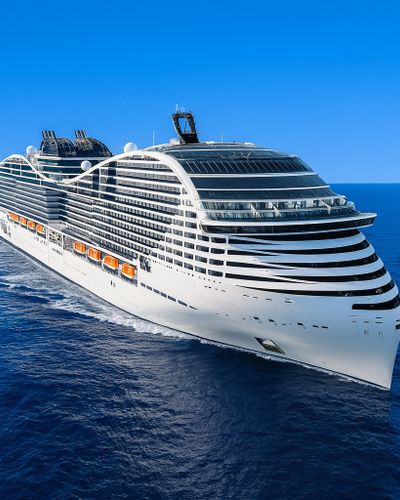
2020'sThe World class represents MSC’s largest and most advanced ships, with World Europa at 205,700 gross tons and World America reaching 215,863 gross tons.,These vessels feature a distinctive Y-shaped aft design creating expansive outdoor terraces, and World Europa became one of the first cruise ships powered by LNG.
MSC ships passengers vs staff
How many passengers are on your MSC ship vs. the number of total staff? Below you'll find each ship's passenger capacity, crew count, and guest-to-crew ratio.
Across the fleet of 22 ships, MSC employs 28,505 crew members to serve 97,022 passengers — a fleet-wide ratio of 3.40 guests per crew member. The best staffed ship is Fantasia with a ratio of 2.49:1.
How much does a MSC ship cost?
Below you'll find the cost to build or acquire each MSC cruise ship. The costs are adjusted to today's dollars using a 3% annual rate. Toggle between total cost, cost per cabin, and cost per gross ton to see how each ship's price compares once normalized.
The combined fleet value is $20.1B across 22 ships, with an average build cost of $915M per ship in today's dollars.
Build costs reflect original contract prices adjusted to today's dollars using a 3% annual compound inflation rate. Data compiled from public shipyard records and maritime industry databases. Figures are indicative estimates.