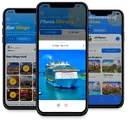

Your voyage starts long before you board.
Add your sailing and we'll build a personalized timeline of everything to do — from booking day to the moment your ship sets sail.
Immediately After Booking Your Cruise
Three to Four Months Before Your Cruise
One to Three Months Before Your Cruise
Two to Four Weeks Before Your Crusie
One Week Before Your Cruise
The Day Before Your Cruise
Add your cruise to unlock your personalized checklist
While it’s tempting to view insurance as an optional "extra," purchasing a policy immediately after booking is the smartest financial move you can make. Most insurers offer a "Pre-existing Condition Waiver" only if you buy the policy within 14 to 21 days of your initial deposit. Beyond health coverage, travel insurance protects your investment against unforeseen emergencies, such as sudden job loss, family illnesses, or cruise line insolvency. It also provides a safety net for pricey medical evacuations at sea, which can cost tens of thousands of dollars out of pocket. By securing coverage early, you gain peace of mind knowing that your vacation fund is shielded from life's unpredictable disruptions.
Get a QuoteCruising is a social experience that begins long before you reach the pier. Joining a "Roll Call" on platforms like Cruise Critic or Facebook groups dedicated to your specific ship and sailing date is invaluable. These communities allow you to meet fellow travelers, share excitement, and coordinate group activities like private shore excursions, which are often cheaper and more intimate than ship-sponsored tours. Members often share "pro tips" about specific cabin configurations or hidden ship features you won't find in the brochure. It’s also the best place to stay informed about itinerary changes or port updates, as the collective knowledge of hundreds of fellow passengers is a powerful resource.
Many travelers don’t realize that if the price of their cruise drops after they book, they may be eligible for a rate adjustment or onboard credit—but only if they catch it before the final payment date. Since cruise lines rarely notify you when prices plunge, using an automated price tracking tool is essential. By setting an alert for your specific ship, date, and cabin category, you’ll receive an email notification the moment a better deal appears. This "set it and forget it" strategy allows you to lock in the lowest possible rate without manually checking the website every day. It’s a simple, free way to potentially save hundreds of dollars.
Even if your cruise departs months from now, check your passport’s expiration date immediately. Most international destinations, and many cruise lines, require your passport to be valid for at least six months after your sailing ends. Passport processing times fluctuate wildly based on government backlogs, and waiting until the last minute can lead to expensive expedition fees or, worse, a denied boarding at the pier. If you are applying for the first time, the paperwork and verification process can take several weeks. Handling this task today ensures that your documents are tucked away safely in your drawer long before you start packing your suitcase for the voyage.
The "golden rule" of cruising is to arrive in your departure city at least one day early. Flight delays, cancellations, or traffic can easily cause you to miss the ship, so booking a pre-cruise hotel is essential insurance for your vacation. By booking three to four months out, you secure better rates and availability at hotels near the port or those offering "Stay and Cruise" packages with inclusive shuttle services. Similarly, a post-cruise hotel allows you to decompress and explore the port city without the stress of rushing to a morning flight. Securing these accommodations early ensures you start your journey relaxed, refreshed, and—most importantly—already in the right city when the ship arrives.
As your departure approaches, it is vital to verify the specific entry requirements for every country on your itinerary. While many popular cruise regions offer "blanket visas" for cruise passengers, some destinations require you to secure an electronic authorization (like the upcoming ETIAS for Europe) or a traditional paper visa well in advance. Do not assume your cruise line handles this; requirements often change based on your nationality and the length of your stay. Failing to have the correct documentation can result in being denied boarding at the pier without a refund. Checking these details now provides a comfortable buffer for processing times, ensuring your paperwork is in order long before you reach the terminal.
By this window, the most popular excursions are likely available for booking through your cruise line’s app or website. High-demand activities, like helicopter tours or small-group snorkeling, often sell out months in advance, so early exploration is key. Compare the ship-sponsored tours with reputable independent operators, who often offer smaller groups and lower prices for similar experiences. If you choose an independent tour, ensure they provide a "back-to-ship" guarantee. By finalizing your excursions now, you lock in your preferred times and budget, preventing the disappointment of showing up onboard only to find that the one "bucket list" activity you were dreaming of is already fully booked.
To truly maximize your time in each destination, you must look beyond the generic descriptions in the cruise brochure. Use this time to research the layout of each port, local transportation options, and "must-see" landmarks. Understanding whether a ship docks at a pier or requires a "tender" (a smaller boat) to reach shore will help you manage your morning timeline. Look for local secrets, such as highly-rated authentic eateries or quiet beaches away from the main tourist hubs. Knowing the local currency, basic phrases, and regional customs beforehand will make your time on land feel more immersive and less like a rushed tour, allowing you to navigate each new culture with confidence and ease.
Most cruise lines set their final payment deadline between 75 and 120 days before sailing. This is a "hard" deadline; if your balance isn't settled by the specified date, the cruise line reserves the right to cancel your reservation and keep your initial deposit. Mark this date clearly on your calendar to avoid any automated cancellations. Once the final payment is made, you often unlock the ability to print your boarding passes and luggage tags, and you can begin making advanced reservations for specialty dining or spa treatments. It is also the last opportunity to review your booking for any errors in name spelling or cabin selection before the manifests are finalized for the authorities.
This is the time to create a comprehensive "draft" of everything you'll need, moving beyond just clothes to include electronics, medications, and cruise-specific gear like magnetic hooks or power strips. By drafting your list 1-3 months early, you have time to identify items you might need to purchase, such as a new swimsuit, formal attire, or a portable battery pack. It also allows you to audit your current wardrobe to see if anything needs tailoring or dry cleaning. A well-thought-out list prevents the "panic-buying" that often happens the week of the cruise and ensures you have all the niche essentials that are expensive or impossible to find onboard.
By this stage, the full menu of shore excursions is usually live and available for booking. This is the critical time to reserve high-demand activities—such as glacier helicopter tours, private yacht charters, or small-group culinary classes—which often reach capacity months before sailing. Booking early not only guarantees your spot but often allows you to take advantage of "pre-cruise" discounts offered by the cruise line. If you prefer independent operators, this is also the window to confirm their availability and back-to-ship guarantees. Finalizing these plans now ensures your port days are productive and exciting, rather than spent at the shore desk trying to find whatever leftover tours remain.
Securing your transportation between the airport and the cruise terminal or hotel should be finalized during this window to avoid last-minute stress. While cruise lines offer their own shuttles, independent transfer services or private car bookings often provide a more personalized and timely experience at a lower cost. Booking now ensures you aren't left waiting in long taxi lines or dealing with surging rideshare prices upon arrival. It also gives you time to coordinate pick-up times that align perfectly with your flight schedule. Whether you choose a shared van or a private sedan, having a confirmed voucher in hand provides peace of mind as you begin your journey toward the ship.
Consulting a travel clinic or your doctor 2-3 months before departure is vital, as some vaccinations require multiple doses spaced weeks apart to be effective. While many standard cruises don't require specific shots, itineraries involving the Amazon, Africa, or parts of Asia may require Yellow Fever, Hepatitis A/B, or Typhoid vaccinations. Additionally, your cruise line may have specific health protocols that must be met for certain ports of call. Getting this done early ensures your body has time to build immunity and allows you to keep your official vaccination records organized with your travel documents. It’s a small step that prevents major health-related disruptions to your international travel plans.
As soon as your cruise line’s online check-in portal opens—usually 30 to 90 days before sailing—you should complete your electronic documents. This process includes entering your passport details, flight information, and setting up your onboard expense account. Completing this early allows you to select an earlier "arrival window" at the terminal, which means you can get through the pier and onto the ship faster. Once finished, you’ll be able to print your boarding passes and luggage tags. Handling this paperwork now ensures that any typos or document issues can be resolved long before you arrive at the port, making your embarkation day a breeze.
As you begin thinking about what to bring, researching the historical weather patterns for each port on your itinerary is a must. Don't rely solely on general regional trends; mountain microclimates in Alaska or the humid "rainy season" in the Caribbean can vary wildly from port to port. Knowing the average highs, lows, and chances of precipitation helps you decide if you need a heavy parka, a light windbreaker, or extra UV-protective gear. This information is the foundation for a functional packing list, ensuring you aren't caught off guard by a sudden cold snap in the Mediterranean or a tropical downpour while exploring ancient Mayan ruins.
For ports where the main attractions are far from the pier, such as Maui or certain Caribbean islands, renting a car offers unparalleled freedom. Booking 1-3 months out is essential to secure competitive rates and ensure vehicle availability, as island inventories are often limited. A rental car allows you to bypass crowded tour buses and set your own pace, whether that means finding a secluded beach or exploring local mountain trails. Always verify the rental agency’s location; some are right at the pier, while others require a short shuttle ride. Checking this now ensures you have a confirmed reservation and a clear plan for your keys the moment you step off the gangway.
If you have your heart set on a specific evening for a celebratory steakhouse dinner or a sushi night, you must book your time slots as soon as the reservation window opens. High-demand times—like 7:00 PM on formal nights or sea days—fill up incredibly fast. Pre-booking 1-3 months out ensures you get the table and time you want without having to plan your entire evening around a late-night or early-bird opening. Even if you have a dining package, you still need to secure the actual reservation to guarantee a seat. Handling this now means your evenings are already mapped out, leaving you more time to enjoy the ship’s entertainment and nightlife.
One of the easiest ways to save money is to purchase your beverage and specialty dining packages well before you board. Most cruise lines offer significant discounts—sometimes up to 40%—to passengers who prepay during this 1-3 month window. Whether you want unlimited cocktails, specialty coffees, or a multi-night dining pass, buying now locks in the current rate and protects you from potential price hikes at the pier. Additionally, prepaying these costs helps you "budget out" your vacation in advance, so your final onboard folio doesn't come with a side of "sticker shock." If the price drops later, many lines allow you to cancel and rebook at the lower rate.