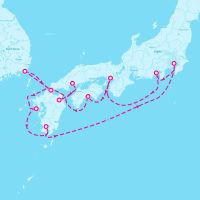

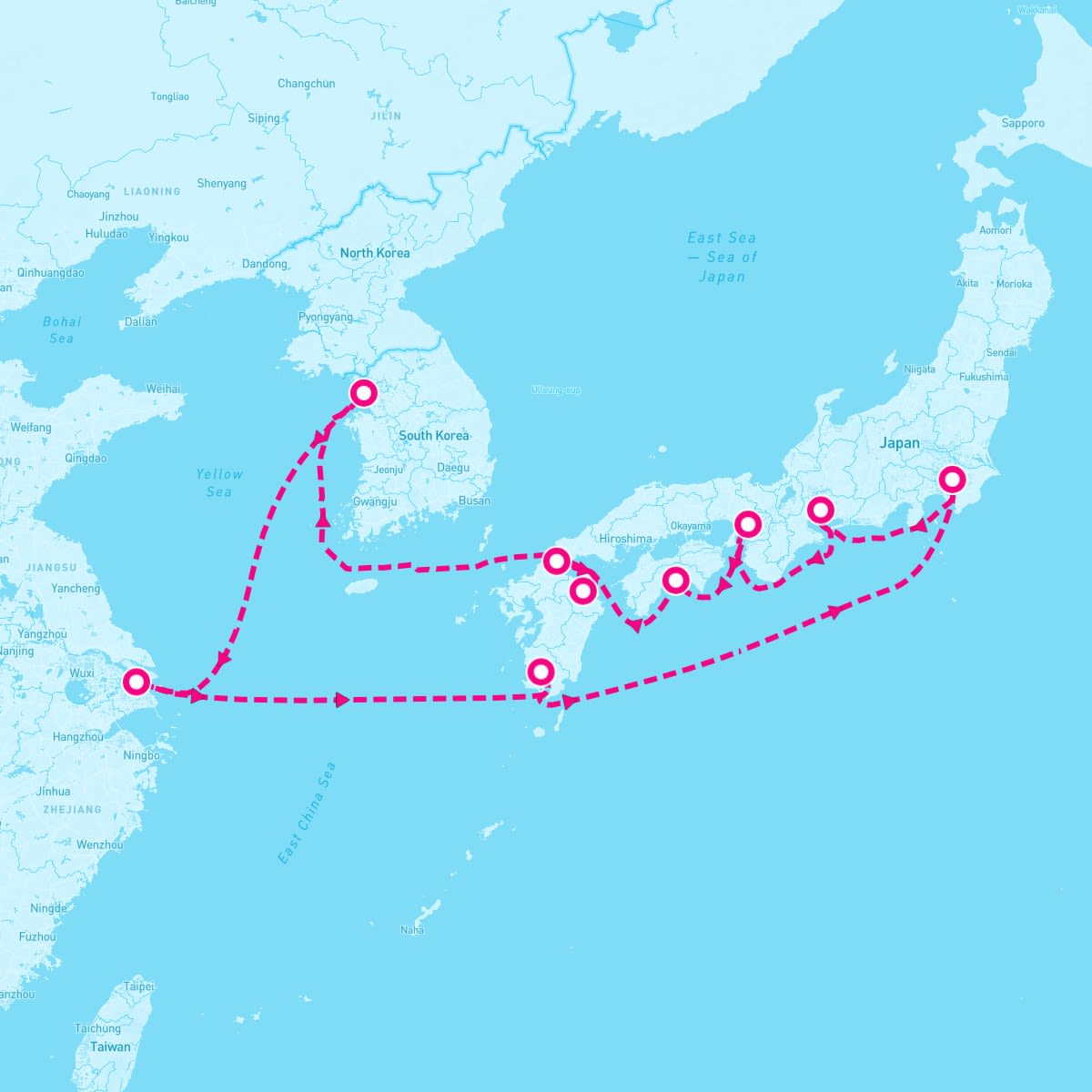
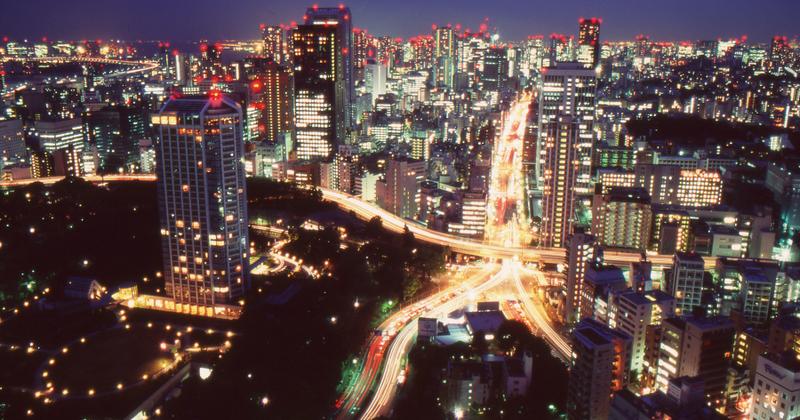

The March 18, 2024 cruise on the Seven Seas Explorer departs from Tokyo, Japan. On this 14 Night Cherry Blossoms Ancient Traditions (Tokyo Roundtrip) sailing, the ship will visit a total of 9 cruise port destinations, including its departure port. The Seven Seas Explorer sets sail on Monday, Mar 18th and returns on Monday, Apr 1st.
The graph below tracks historic price of the Seven Seas Explorer cruise ship departing March 18, 2024. The most recent price for this sailing starts at $N/A ($N/A per night) for an Inside Cabin. Compared to the average price of $N/A ($N/A per night), this represents a recent decrease of NaN%.
Use the buttons below to toggle between cabin types.
Seven Seas Explorer - March 18, 2024 - 14 Nights
| Day | Date | Port |
|---|---|---|
| 1 | Mar 18th | Tokyo, Japan |
| 2 | Mar 19th | Nagoya, Japan |
| 3 | Mar 20th | Kobe (kyoto), Japan |
| 4 | Mar 18th | Kobe (kyoto), Japan |
| 5 | Mar 22nd | Kochi, Japan |
| 6 | Mar 18th | Cruise Kanmon Straits, Japan |
| 6 | Mar 23rd | Beppu, Japan |
| 7 | Mar 24th | At Sea |
| 8 | Mar 25th | Incheon (seoul). South Korea |
| 9 | Mar 26th | At Sea |
| 10 | Mar 27th | Shanghai, China |
| 11 | Mar 18th | Shanghai, China |
| 12 | Mar 29th | At Sea |
| 13 | Mar 30th | Kagoshima, Japan |
| 14 | Mar 31st | At Sea |
| 15 | Apr 1st | Tokyo, Japan |
The Seven Seas Explorer sails on March 18, 2024 for a 14 Night Cherry Blossoms Ancient Traditions (Tokyo Roundtrip). The ship will depart the port of Tokyo, Japan at 7:00 PM and will return to the port of Tokyo, Japan on Apr 1st at 7:30 AM. During the 16-day journey, the Seven Seas Explorer will visit 8 additional ports and will spend 4 days at sea.
Based on my comprehensive research of cruise port safety information, including recent crime reports, travel advisories, Global Peace Index rankings, and specific port security concerns, we've created a "safety score" for each cruise port stop. The overall rating below represents a combined score for your specific cruise itinerary.

Regent Seven Seas
The Seven Seas Explorer was built in 2016 and is among Regent Seven Seas's 5 ships in its fleet. The Seven Seas Explorer is included in the cruise line's Explorer class. In the cruise ship stats below, you'll find the Seven Seas Explorer vs all other Regent Seven Seas ships.
Tolanaro (Fort Dauphin), Madagascar, offers docking at Tolanaro Port. Travelers explore Nahampoana Reserve and Libanona Beach. Excursions include lemur-watching at Berenty Reserve. Local markets sell zebu curry. The peak season, May to October, brings dry weather for coastal tours. Photography captures rainforests and Indian Ocean vistas. Dining onboard includes romazava, a Malagasy favorite. Souvenirs, like raffia crafts, are sold in ship shops. Briefings cover Tsitongambarika history. Light clothing and sun protection suit the tropical climate, while sturdy shoes enhance reserve walks. Tolanaro’s natural allure offers a vibrant Malagasy stop. Cruise travelers enjoy a mix of unique wildlife and scenic beaches, making Tolanaro an engaging destination for exploration.
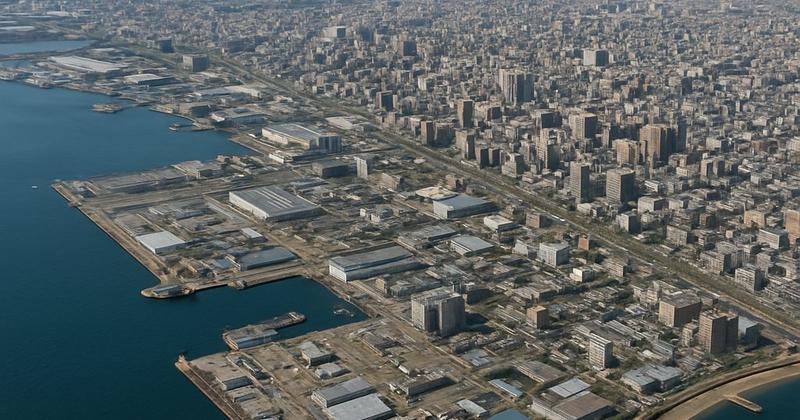
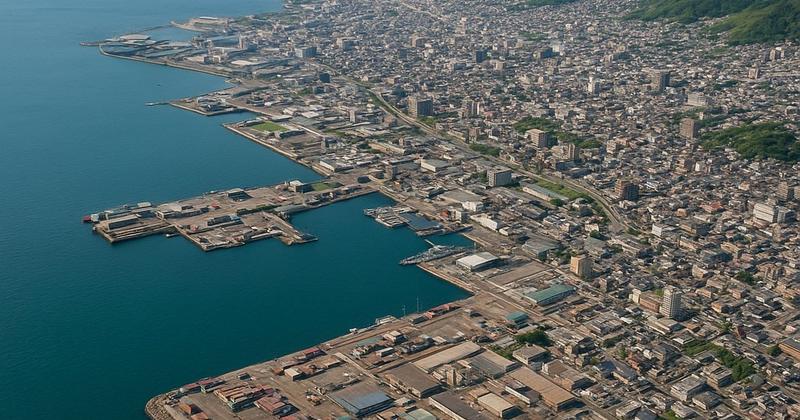
Nagoya, Japan, provides docking at Nagoya Port. Travelers explore Nagoya Castle and Atsuta Shrine. Excursions visit Toyota’s factory museum for automotive history. Local markets sell kishimen noodles. The peak season, March to May, brings cherry blossoms and mild weather. Photography captures samurai castles and urban skylines. Dining onboard includes hitsumabushi, a Nagoya eel dish. Souvenirs, like noren curtains, are sold in ship shops. Briefings cover Aichi’s industrial history. Light layers suit the temperate climate, while comfortable shoes enhance castle walks. Nagoya’s blend of history and modernity offers a vibrant Japanese stop. Cruise travelers enjoy a mix of samurai heritage, spiritual sites, and industrial innovation, making Nagoya an engaging destination for exploring Japan’s cultural and technological richness in the Chubu region.
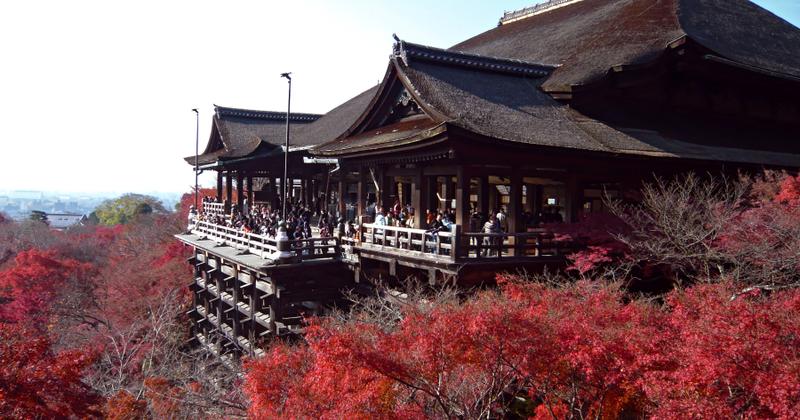
Kobe, Japan, has docking at Kobe Port with excursions to Kyoto. Travelers explore Kyoto’s Kinkaku-ji Temple and Fushimi Inari Shrine. Excursions visit Arashiyama’s bamboo forest. Local markets sell matcha sweets. The peak season, March to May, brings cherry blossoms. Photography captures temples and gardens. Dining onboard includes kaiseki, a Japanese multi-course meal. Souvenirs, like sensu fans, are sold in ship shops. Briefings cover Kyoto’s history. Light layers suit the temperate climate. Comfortable shoes enhance temple tours. Kobe’s access to Kyoto offers a profound Japanese stop, blending heritage with cultural richness.
Kochi, Japan, has docking at Kochi Port. Travelers explore Kochi Castle’s samurai history. Excursions visit Katsurahama Beach and Ryugado Cave. Local markets sell bonito flakes. The peak season, March to May, brings mild weather. Photography captures castle views and Pacific shores. Dining onboard includes katsuo tataki, a local seared tuna. Souvenirs, like yosakoi crafts, are sold in ship shops. Briefings cover Shikoku’s history. Light layers suit the temperate climate. Comfortable shoes enhance castle tours. Kochi’s coastal heritage offers a serene Japanese stop, blending samurai history with scenic beauty.
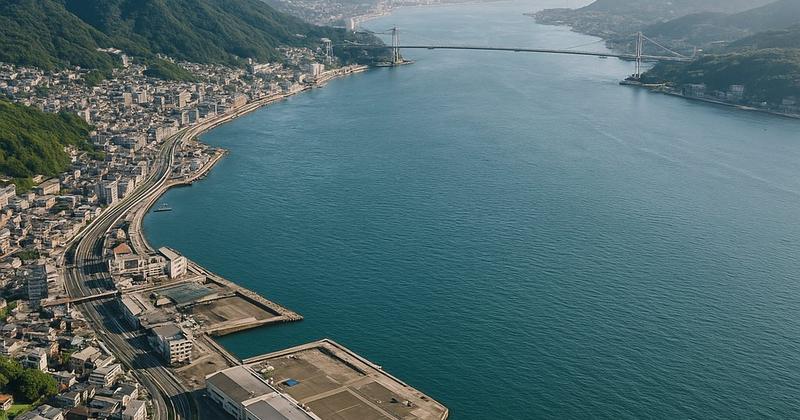
Kanmon Straits, Japan, no docking; ships transit the narrow strait. Travelers spot fishing boats. Lectures cover WWII history. No facilities; provisions from ship. Peak season April to October; tides affect. Photography captures Shimonoseki bridges. Dining onboard includes fugu. Souvenirs, like strait postcards, in ship shops. Briefings on navigation. The straits connect Honshu and Kyushu efficiently.
Beppu, Japan, docks at Beppu Port, 3 kilometers from downtown, with shuttles for 10-minute rides. The city, population 120,000, features the Hells of Beppu, geothermal hot springs for viewing. Travelers relax at Kannawa Onsen, 15 minutes east. Excursions to Mount Tsurumi, 20 minutes north, offer cable car rides. Local markets sell yuzu products. Peak season April to October; taxis 800-1200 JPY. Dining includes toriten (chicken tempura) at onsen cafes. Souvenirs feature bamboo crafts.
Take advantage of the many on board activites during your day at sea. You'll have more than enough to fill your day!
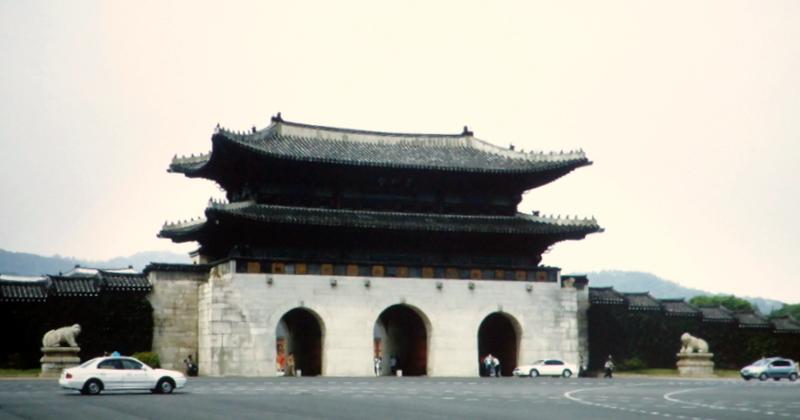
Incheon, South Korea, has docking at Incheon Port with excursions to Seoul. Travelers explore Gyeongbokgung Palace and Myeongdong markets. Excursions visit DMZ’s historic sites. Local markets sell kimchi. The peak season, April to June, brings mild weather. Photography captures palaces and urban skylines. Dining onboard includes bulgogi, a Korean favorite. Souvenirs, like hanbok dolls, are sold in ship shops. Briefings cover Korean history. Light layers suit the temperate climate. Comfortable shoes enhance city tours. Incheon’s access to Seoul offers a vibrant South Korean stop, blending culture with modern energy.
Take advantage of the many on board activites during your day at sea. You'll have more than enough to fill your day!
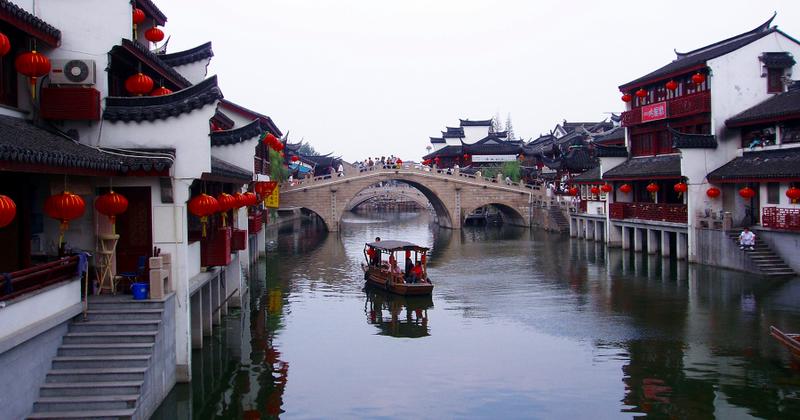
Shanghai, China, offers docking at Shanghai Port. Travelers explore The Bund and Yu Garden’s historic pavilions. Excursions visit Suzhou’s classical gardens. Local markets sell xiaolongbao. The peak season, April to October, brings mild weather for city tours. Photography captures skyscrapers and Huangpu River vistas. Dining onboard includes Peking duck, a Chinese favorite. Souvenirs, like silk crafts, are sold in ship shops. Briefings cover Shanghai’s history. Light clothing and sun protection suit the temperate climate, while comfortable shoes enhance city walks. Shanghai’s urban allure offers a vibrant Chinese stop. Cruise travelers enjoy a mix of modern skyline and historic heritage, making Shanghai an engaging destination for exploring China’s cosmopolitan heart.
Take advantage of the many on board activites during your day at sea. You'll have more than enough to fill your day!
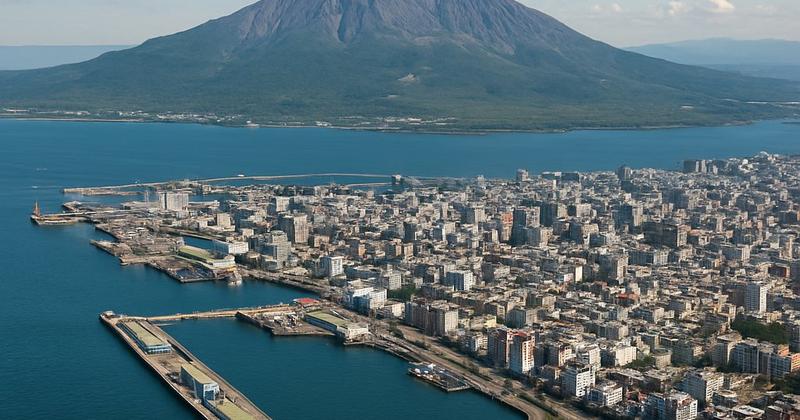
Kagoshima, Japan, has docking at Kagoshima Port. Travelers explore Sakurajima volcano’s active trails. Excursions visit Sengan-en Garden’s historic grounds. Local markets sell shochu. The peak season, March to May, brings cherry blossoms. Photography captures volcanic landscapes and coastal vistas. Dining onboard includes kurobuta pork, a Kagoshima specialty. Souvenirs, like ceramic crafts, are sold in ship shops. Briefings cover Kyushu’s history. Light layers suit the temperate climate. Sturdy shoes enhance volcano hikes. Kagoshima’s volcanic beauty offers a dynamic Japanese stop, blending nature with cultural heritage.
Take advantage of the many on board activites during your day at sea. You'll have more than enough to fill your day!
Tolanaro (Fort Dauphin), Madagascar, offers docking at Tolanaro Port. Travelers explore Nahampoana Reserve and Libanona Beach. Excursions include lemur-watching at Berenty Reserve. Local markets sell zebu curry. The peak season, May to October, brings dry weather for coastal tours. Photography captures rainforests and Indian Ocean vistas. Dining onboard includes romazava, a Malagasy favorite. Souvenirs, like raffia crafts, are sold in ship shops. Briefings cover Tsitongambarika history. Light clothing and sun protection suit the tropical climate, while sturdy shoes enhance reserve walks. Tolanaro’s natural allure offers a vibrant Malagasy stop. Cruise travelers enjoy a mix of unique wildlife and scenic beaches, making Tolanaro an engaging destination for exploration.