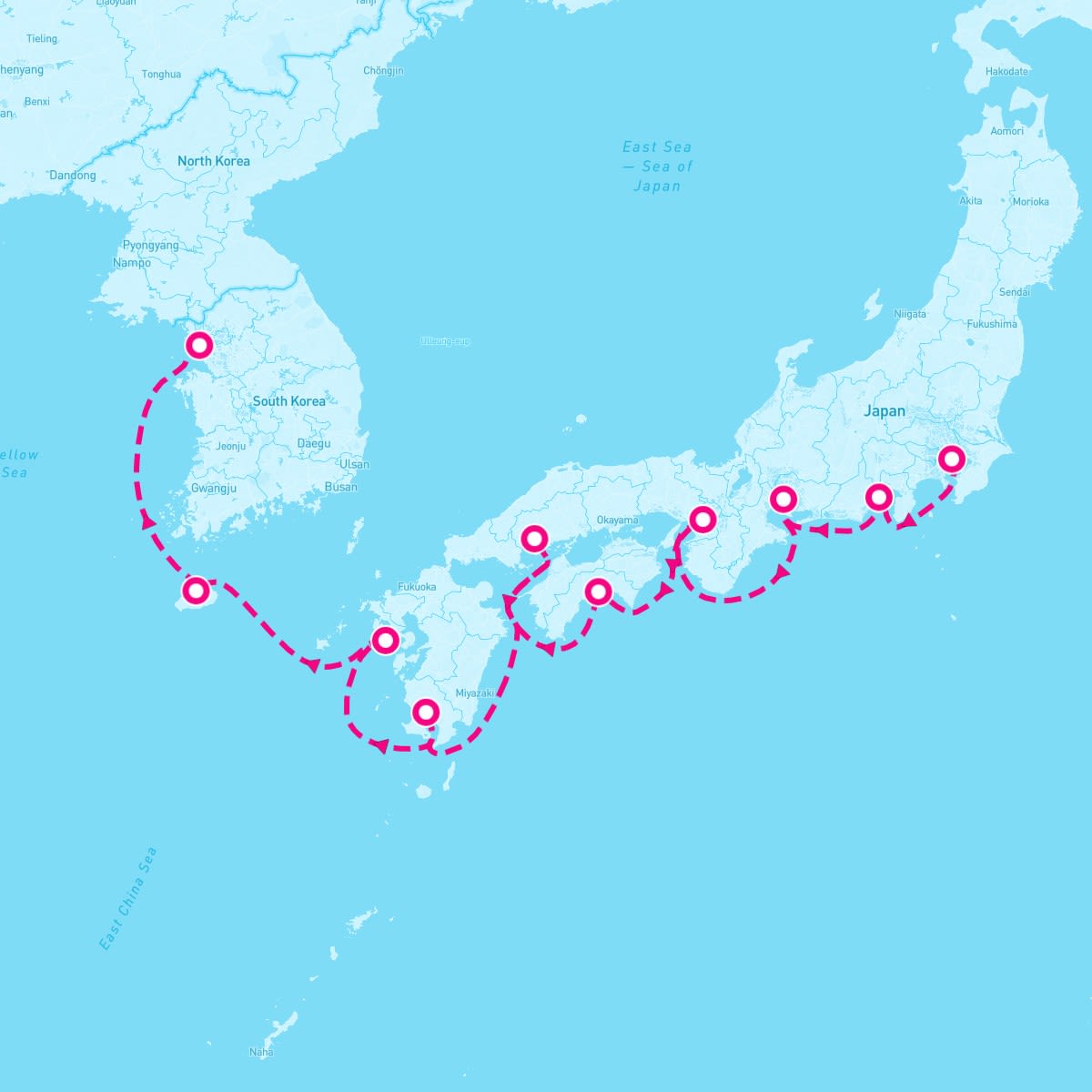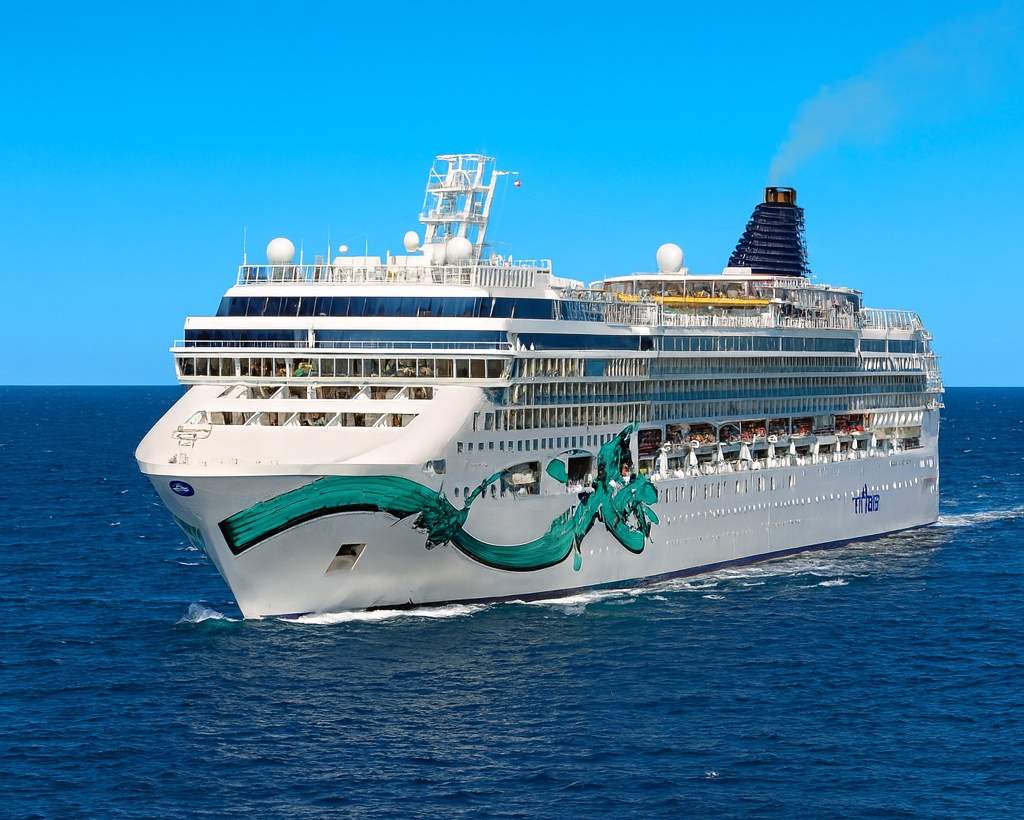


The March 4, 2028 cruise on the Norwegian Jade departs from Tokyo, Japan. On this 9 Night Asia: Osaka Kochi Jeju & Nagoya (Tokyo To Seoul) sailing, the ship will visit a total of 10 cruise port destinations, including its departure port. The Norwegian Jade sets sail on Saturday, Mar 4th and returns on Monday, Mar 13th.
Norwegian Jade - March 4, 2028 - 9 Nights
| Day | Date | Port |
|---|---|---|
| 1 | Mar 3rd | Tokyo, Japan |
| 2 | Mar 5th | Shimizu, Japan |
| 3 | Mar 6th | Nagoya, Japan |
| 4 | Mar 7th | Osaka, Japan |
| 5 | Mar 8th | Kochi, Japan |
| 6 | Mar 9th | Hiroshima, Japan |
| 7 | Mar 10th | Kagoshima, Japan |
| 8 | Mar 11th | Nagasaki, Japan |
| 9 | Mar 12th | Jeju City, Jeju-Do, (cheju-Do), South Korea |
| 10 | Mar 13th | Incheon (seoul). South Korea |
The Norwegian Jade sails on March 4, 2028 for a 9 Night Asia: Osaka Kochi Jeju & Nagoya (Tokyo To Seoul). The ship will depart the port of Tokyo, Japan at 3:00 PM and will return to the port of Incheon (seoul). South Korea on Mar 13th at 7:00 AM. During the 10-day journey, the Norwegian Jade will visit 9 additional ports and will spend 0 days at sea.
Based on my comprehensive research of cruise port safety information, including recent crime reports, travel advisories, Global Peace Index rankings, and specific port security concerns, we've created a "safety score" for each cruise port stop. The overall rating below represents a combined score for your specific cruise itinerary.

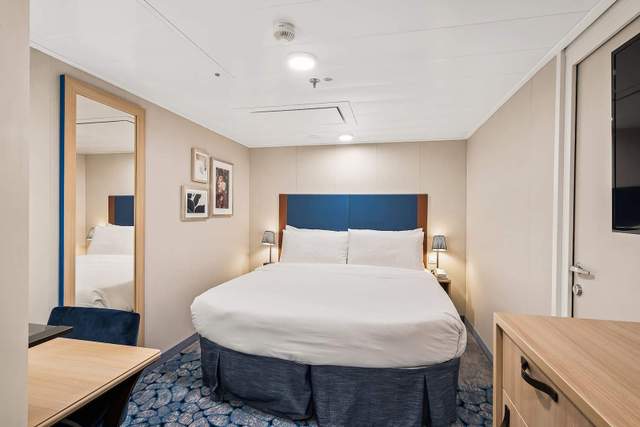
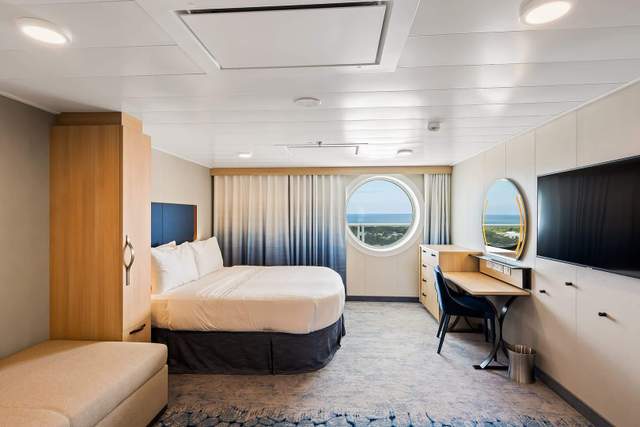
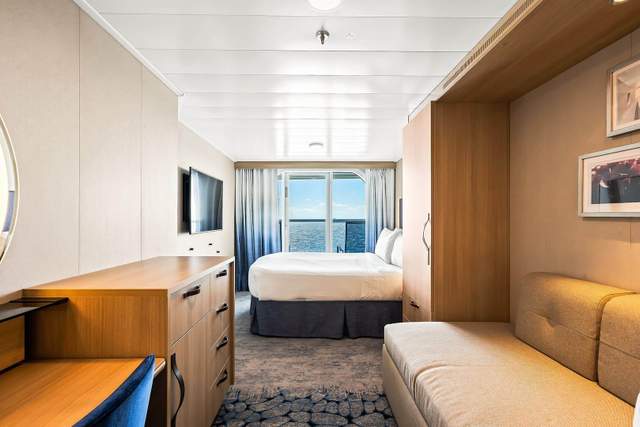
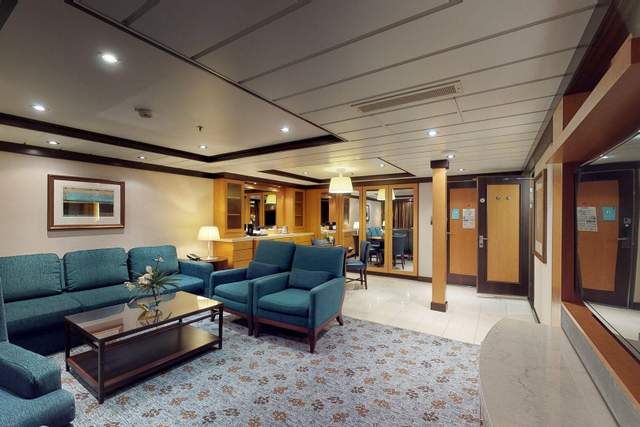
The Jade has a construction date of 2006 and a total size of 93,558 gross tons. The ship measures 965 feet (294 meters) in length. Norwegian Jade is included in Norwegian’s Jewel Class. At full capacity, the Norwegian Jade holds 3,439 passengers. That includes 2,402 cruise vacationers and 1,037 staff members. The Jade total number of staterooms is 1,201.
To see how this compares, click through to see Norwegian Jade age and stats vs all Norwegian ships. There you’ll find graphs showing length, capacity, tonnage and more for this ship vs all in the fleet.
To check out the ship from top to bottom, click here for Norwegian Jade Deck Plans.
Tolanaro (Fort Dauphin), Madagascar, offers docking at Tolanaro Port. Travelers explore Nahampoana Reserve and Libanona Beach. Excursions include lemur-watching at Berenty Reserve. Local markets sell zebu curry. The peak season, May to October, brings dry weather for coastal tours. Photography captures rainforests and Indian Ocean vistas. Dining onboard includes romazava, a Malagasy favorite. Souvenirs, like raffia crafts, are sold in ship shops. Briefings cover Tsitongambarika history. Light clothing and sun protection suit the tropical climate, while sturdy shoes enhance reserve walks. Tolanaro’s natural allure offers a vibrant Malagasy stop. Cruise travelers enjoy a mix of unique wildlife and scenic beaches, making Tolanaro an engaging destination for exploration.
Shimizu, Japan, offers docking at Shimizu Port. Travelers explore Mount Fuji viewpoints and Nihondaira’s tea gardens. Excursions visit Shizuoka’s Toro Ruins. Local markets sell wasabi. The peak season, April to October, brings mild weather for coastal tours. Photography captures Fuji’s slopes and Suruga Bay vistas. Dining onboard includes unagi, a Japanese favorite. Souvenirs, like tea crafts, are sold in ship shops. Briefings cover Shizuoka history. Light clothing and sun protection suit the temperate climate, while comfortable shoes enhance garden walks. Shimizu’s scenic charm offers a vibrant Japanese stop. Cruise travelers enjoy a mix of natural beauty and cultural heritage, making Shimizu an engaging destination for exploring Japan’s Fuji region.
Nagoya, Japan, provides docking at Nagoya Port. Travelers explore Nagoya Castle and Atsuta Shrine. Excursions visit Toyota’s factory museum for automotive history. Local markets sell kishimen noodles. The peak season, March to May, brings cherry blossoms and mild weather. Photography captures samurai castles and urban skylines. Dining onboard includes hitsumabushi, a Nagoya eel dish. Souvenirs, like noren curtains, are sold in ship shops. Briefings cover Aichi’s industrial history. Light layers suit the temperate climate, while comfortable shoes enhance castle walks. Nagoya’s blend of history and modernity offers a vibrant Japanese stop. Cruise travelers enjoy a mix of samurai heritage, spiritual sites, and industrial innovation, making Nagoya an engaging destination for exploring Japan’s cultural and technological richness in the Chubu region.
Osaka, Japan, provides docking at Osaka Port. Travelers explore Osaka Castle and Dotonbori’s vibrant food scene. Excursions visit Kyoto’s Kinkaku-ji Temple. Local markets sell takoyaki. The peak season, March to May, brings cherry blossoms and mild weather. Photography captures samurai castles and neon-lit canals. Dining onboard includes okonomiyaki, an Osaka favorite. Souvenirs, like tenugui cloths, are sold in ship shops. Briefings cover Kansai history. Light layers suit the temperate climate, while comfortable shoes enhance city walks. Osaka’s dynamic urban culture offers a vibrant Japanese stop. Cruise travelers enjoy a mix of historic landmarks, culinary delights, and modern energy, making Osaka an engaging destination for exploring Japan’s Kansai region and cultural heritage.
Kochi, Japan, has docking at Kochi Port. Travelers explore Kochi Castle’s samurai history. Excursions visit Katsurahama Beach and Ryugado Cave. Local markets sell bonito flakes. The peak season, March to May, brings mild weather. Photography captures castle views and Pacific shores. Dining onboard includes katsuo tataki, a local seared tuna. Souvenirs, like yosakoi crafts, are sold in ship shops. Briefings cover Shikoku’s history. Light layers suit the temperate climate. Comfortable shoes enhance castle tours. Kochi’s coastal heritage offers a serene Japanese stop, blending samurai history with scenic beauty.
Hiroshima, Japan, has docking at Hiroshima Port. Travelers explore Peace Memorial Park and Atomic Bomb Dome. Excursions visit Miyajima’s floating Itsukushima Shrine. Local markets sell okonomiyaki. The peak season, March to May, brings cherry blossoms. Photography captures historic sites and island shrines. Dining onboard includes Hiroshima-style okonomiyaki. Souvenirs, like peace cranes, are sold in ship shops. Briefings cover WWII history. Light layers suit the temperate climate. Comfortable shoes enhance park walks. Hiroshima’s poignant history offers a profound Japanese stop, blending peace advocacy with cultural heritage.
Kagoshima, Japan, has docking at Kagoshima Port. Travelers explore Sakurajima volcano’s active trails. Excursions visit Sengan-en Garden’s historic grounds. Local markets sell shochu. The peak season, March to May, brings cherry blossoms. Photography captures volcanic landscapes and coastal vistas. Dining onboard includes kurobuta pork, a Kagoshima specialty. Souvenirs, like ceramic crafts, are sold in ship shops. Briefings cover Kyushu’s history. Light layers suit the temperate climate. Sturdy shoes enhance volcano hikes. Kagoshima’s volcanic beauty offers a dynamic Japanese stop, blending nature with cultural heritage.
Nagasaki, Japan, offers docking at Nagasaki Port. Travelers explore the Peace Park and Atomic Bomb Museum. Excursions visit Glover Garden’s colonial mansions. Local markets sell champon noodles. The peak season, March to May, brings cherry blossoms and mild weather. Photography captures historic sites and Dejima Island views. Dining onboard includes sara udon, a Nagasaki dish. Souvenirs, like castella cakes, are sold in ship shops. Briefings cover Nagasaki’s WWII history. Light layers suit the temperate climate, while comfortable shoes enhance park walks. Nagasaki’s blend of history and resilience offers a poignant Japanese stop. Cruise travelers enjoy a mix of somber memorials, colonial heritage, and scenic harbors, making Nagasaki an engaging destination for exploring Japan’s cultural and historical depth on Kyushu Island.
Jeju City, South Korea, has docking at Jeju Port. Travelers explore Seongsan Ilchulbong’s volcanic crater. Excursions visit Manjanggul Lava Tube. Local markets sell tangerines. The peak season, April to June, brings mild weather. Photography captures volcanic landscapes and coastal vistas. Dining onboard includes haemul jeongol, a seafood hotpot. Souvenirs, like lava stone crafts, are sold in ship shops. Briefings cover Jeju’s geology. Light clothing suits the temperate climate. Sturdy shoes enhance hikes. Jeju City’s volcanic beauty offers a vibrant South Korean stop, immersing travelers in its natural wonders.
Incheon, South Korea, has docking at Incheon Port with excursions to Seoul. Travelers explore Gyeongbokgung Palace and Myeongdong markets. Excursions visit DMZ’s historic sites. Local markets sell kimchi. The peak season, April to June, brings mild weather. Photography captures palaces and urban skylines. Dining onboard includes bulgogi, a Korean favorite. Souvenirs, like hanbok dolls, are sold in ship shops. Briefings cover Korean history. Light layers suit the temperate climate. Comfortable shoes enhance city tours. Incheon’s access to Seoul offers a vibrant South Korean stop, blending culture with modern energy.