

- ARRIVES
- —
- DEPARTS
- 3:00 PM

10 nights · 8 ports
round-trip · Yokohama
PrincessDiamond Princess
Diamond Princess May 8, 2027
10-Night Japan Explorer
3.9 out of 5, Gangwaze Score™
i
The Gangwaze Score blends how cruisers rate this ship, how they rate this sailing, the ship’s latest CDC health inspection, the safety of its ports, and how today’s fare compares with its recent average.
- Cruiser satisfaction
- Good
- Ship health
- Excellent
- Port safety
- Very good
- Value
- Below average
Aboard Diamond Princess · Departing May 8, 2027 from the Port of Yokohama, Japan.
You'll depart Yokohama on Saturday, May 8, 2027 for your 10-Night Japan Explorer round-trip cruise vacation aboard Princess' Diamond Princess.
Your itinerary includes seven domestic stops in Toba, Kyoto Kobe Japan, Kochi, Hiroshima, Cruise Kanmon Straits, Nagasaki and Omaezaki Japan as well as a visit to South Korea, where you'll explore Seogwipo. Your trip has one sea day to enjoy everything the Diamond Princess has to offer.
Your ship ranks tied for #9 among Princess' 17 ships by size and is older than the fleet average, having launched in 2004.
Current pricing for this sailing starts at $215 per passenger, per night, up 26% vs. our tracked average.
// 01 · About the ship
Diamond Princess
Ship OverviewPrincess
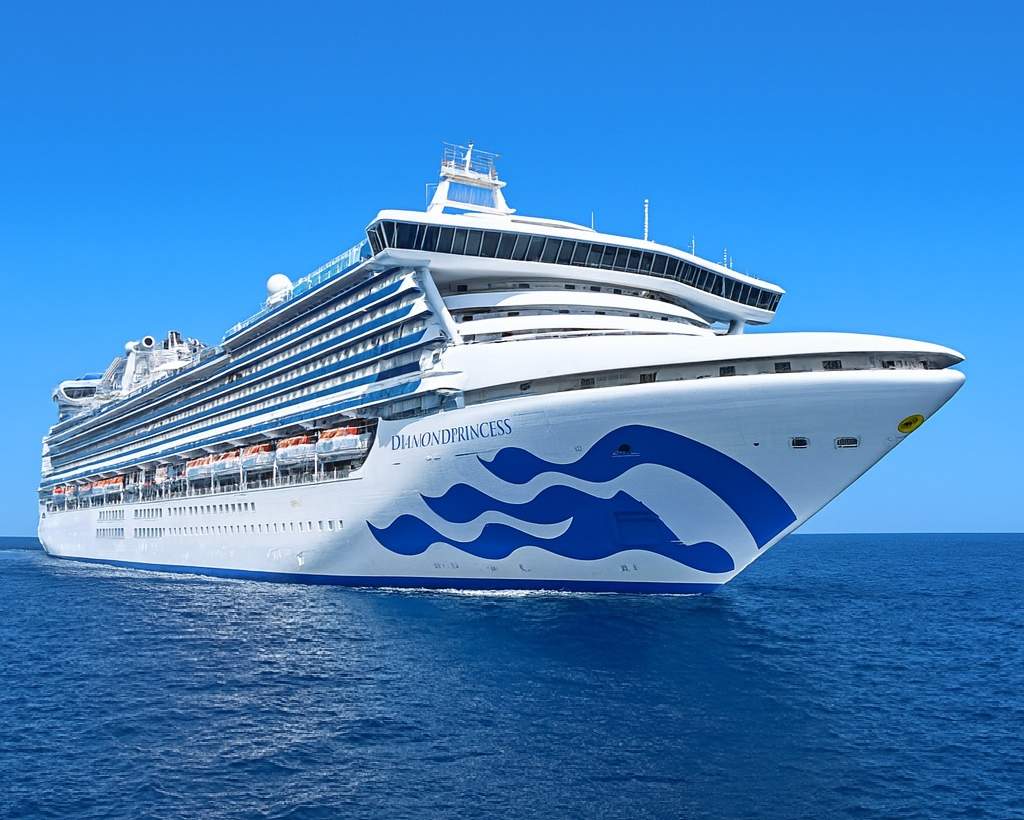
Princess · Grand class
CHRISTENED
2004
STATEROOMS
1,353
TONNAGE
115,875GT
▼ 10.1% BELOWvs avg 128,868
YEAR BUILT
2004
▼ 7 YRS OLDERvs avg 2011
LENGTH
952ft
▼ 6.7% BELOWvs avg 1,020 ft
PASSENGERS
2,170cruisers
▼ 32.1% BELOWvs avg 3,197
Diamond Princess is a Grand-class ship built in 2004, tied for #9 in the Princess fleet by size, with 14 passenger decks and a 2020 refurbishment that brought MedallionClass digital services shipwide. Life centers on The Piazza, an Italian-inspired atrium with live entertainment. The Princess Theater stages Broadway-style shows, and Movie Under The Stars screens films poolside. Dinner ranges from the Southwestern Santa Fe Dining Room to the Crown Grill steakhouse and Brazilian rodizio at Churrascaria Grill, while Sabatinis and Kai Sushi sit together aft on deck 7. Adults can slip away to the glass-roofed Lotus Pool or The Sanctuary, kids and teens have Camp Discovery and the Beach House Teen Lounge, and Skywalkers Nightclub keeps a neon-lit dance floor going high above the sea.
With one sea day on this sailing, there's time for Princess Links, Sabatinis and Good Spirits.
// 02 · Port by Port
Your Itinerary
Diamond PrincessMay 8 to May 18, 2027Round-trip Yokohama
- ARRIVES
- 7:00 AM
- DEPARTS
- 4:00 PM
- ARRIVES
- 8:00 AM
- DEPARTS
- 8:00 PM
- ARRIVES
- 7:00 AM
- DEPARTS
- 3:00 PM
- ARRIVES
- 9:00 AM
- DEPARTS
- 7:00 PM
- DAY 6 · THU, MAY 13
Cruise Kanmon Straits
Japan- ARRIVES
- 6:00 AM
- DEPARTS
- 8:00 AM
- ARRIVES
- 7:00 AM
- DEPARTS
- 4:00 PM
- ARRIVES
- 7:00 AM
- DEPARTS
- 4:00 PM
- DAY 9 · SUN, MAY 16
At sea
- ARRIVES
- —
- DEPARTS
- —
- DAY 10 · MON, MAY 17
Omaezaki Japan
Japan- ARRIVES
- 9:00 AM
- DEPARTS
- 5:00 PM
- ARRIVES
- 6:30 AM
- DEPARTS
- —







// 03 · Cruise price
Cruise Price & Tracking
Diamond PrincessMay 8, 2027
The most recent price for this sailing starts at $2,142 ($215 per night) for an Inside cabin. Compared to the average price of $1,694 ($170 per night), this represents a 26% increase. That's $660 more than the lowest of the four dates on this route (Aug 26, 2027).
// Price history · inside
Last 6 months · refreshes daily · select a cabin below to compare
This cabinAvg $1,694
Price Drop Email Alert
We'll email you when the Inside fare for this sailing drops below the current rate.
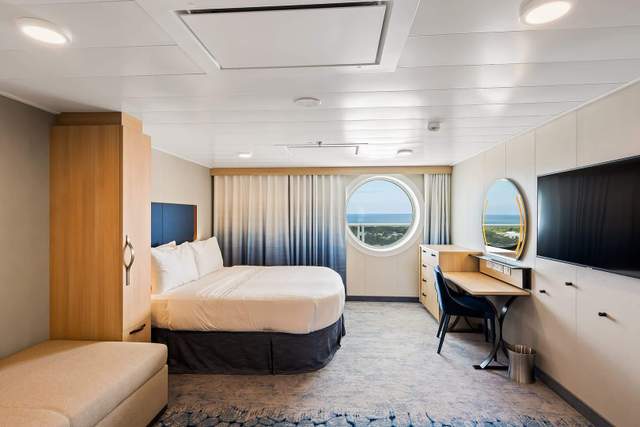
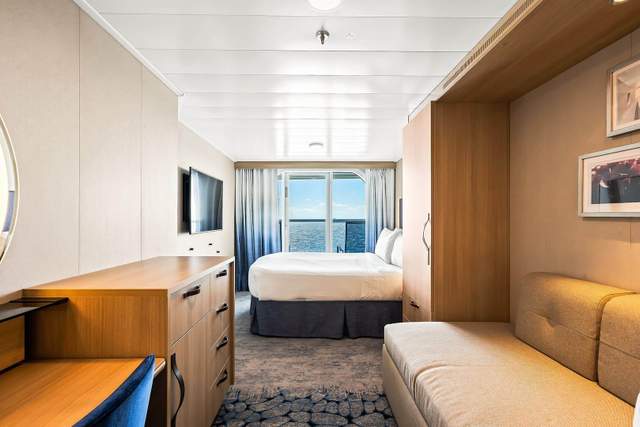
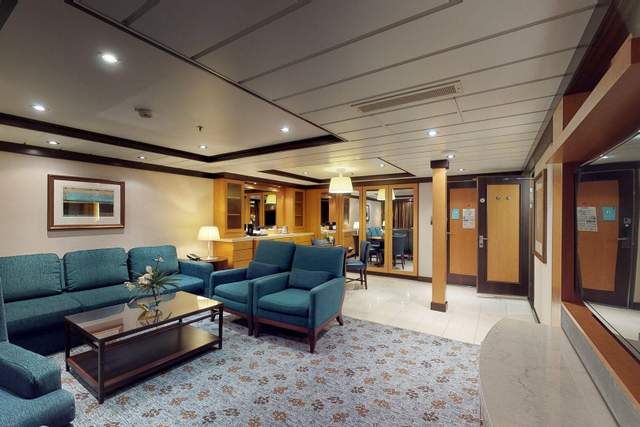
Gangwaze earns a commission when you book through our partner links at no extra cost to you.
// 04 · Cruise resources
Cruise Resources
To prepare for your Diamond Princess May 8, 2027 cruise, here are some helpful tools to get you prepared and excited for your vacation.
- 01 Ship Tracking Check the Diamond Princess' current location. Track where it's coming from and where the ship is headed.
- 02 Roll Call See who else is sailing on the Diamond Princess on May 8, 2027, and join the roll call.
- 03 Deck Plans Explore every deck of the Diamond Princess, with the venues and cabins on each.
// 05 · Other sailings
This itinerary - other options
Same ports, more choices. Compare other Diamond Princess dates for the 10-Night Japan Explorer route, or see which other ships sail a similar trip.
More Diamond Princess options - 10-Night Japan Explorer
Below, you'll find any available dates for this same Japan Explorer itinerary on the Diamond Princess.
- Diamond PrincessMay 8,2027$2,142 $215/nThis sailing
- Diamond PrincessJul 11,2027$1,662 $167/n$480 less
- Diamond PrincessAug 26,2027$1,482 $149/n$660 less
- Diamond PrincessOct 20,2027$1,599 $160/n$543 less
Other ships
Sail to Toba & Kyoto Kobe Japan on another ship
Compare similar 9 to 11 night cruises calling at any of these ports, across every cruise line and ship.