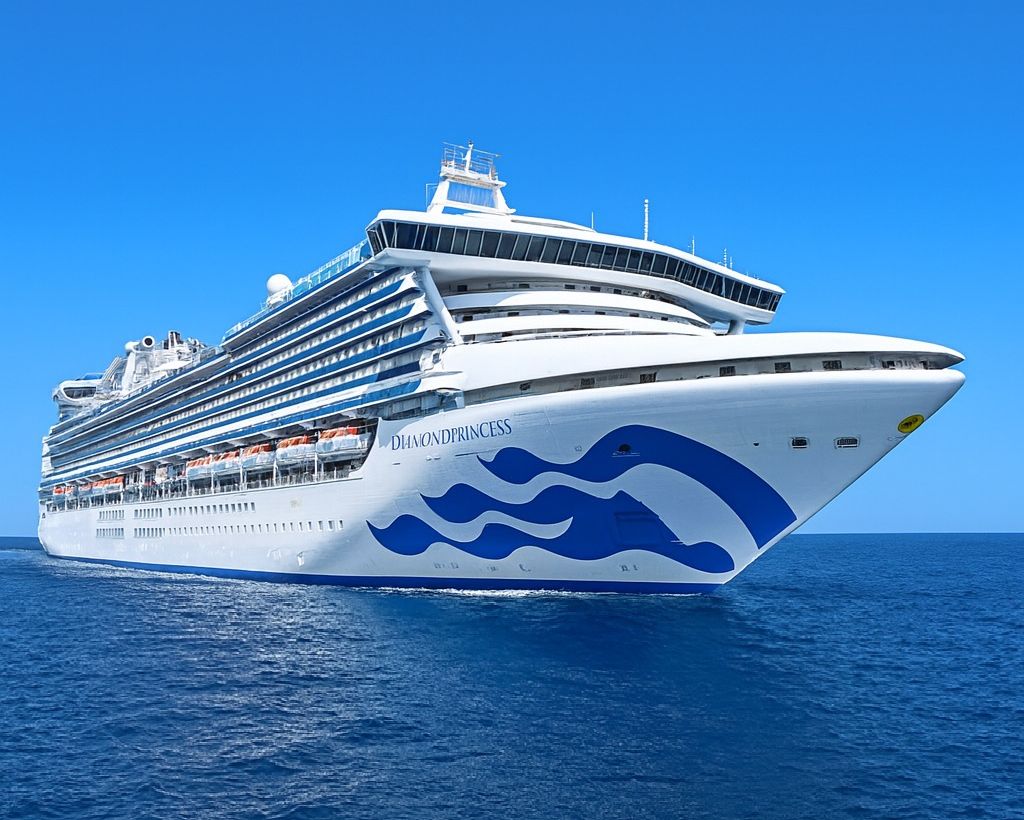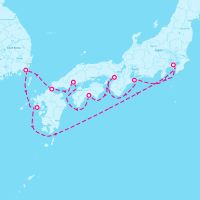

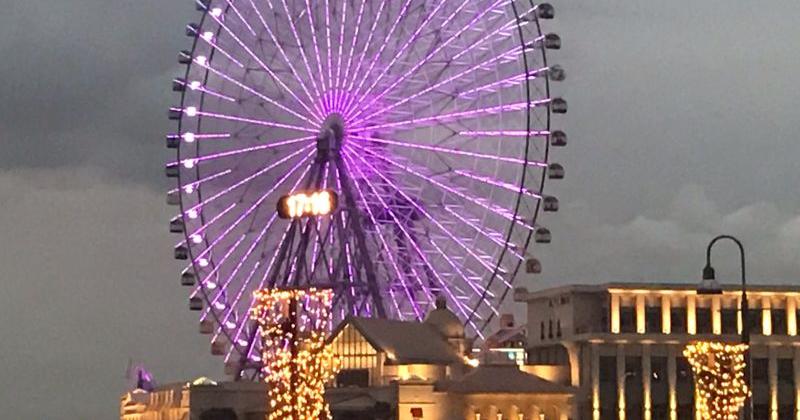

The October 10, 2026 cruise on the Diamond Princess departs from Yokohama (tokyo), Japan. On this 18 Night Grand Japan (Yokohama Roundtrip) sailing, the ship will visit a total of 12 cruise port destinations, including its departure port. The Diamond Princess sets sail on Saturday, Oct 10th and returns on Wednesday, Oct 28th.
The graph below tracks historic price of the Diamond Princess cruise ship departing October 10, 2026. The most recent price for this sailing starts at $3,884 ($216 per night) for an Inside Cabin. Compared to the average price of $3,144 ($175 per night), this represents a recent increase of 24%.
Use the buttons below to toggle between cabin types.
Diamond Princess - October 10, 2026 - 18 Nights
| Day | Date | Port |
|---|---|---|
| 1 | Oct 10th | Yokohama (tokyo), Japan |
| 2 | Oct 11th | At Sea |
| 3 | Oct 12th | Akita, Japan |
| 4 | Oct 13th | Toyama, Japan |
| 5 | Oct 14th | Tsuruga, Fukui, Japan |
| 6 | Oct 15th | Sakaiminato, Japan |
| 7 | Oct 16th | Busan (Pusan), South Korea |
| 8 | Oct 17th | Nagasaki, Japan |
| 9 | Oct 18th | At Sea |
| 10 | Oct 19th | Yokohama (tokyo), Japan |
| 11 | Oct 20th | At Sea |
| 12 | Oct 21st | Nagasaki, Japan |
| 13 | Oct 22nd | Busan (Pusan), South Korea |
| 14 | Oct 23rd | Cruise Kanmon Straits, Japan |
| 15 | Oct 24th | Hiroshima, Japan |
| 16 | Oct 25th | Miyazaki, Japan |
| 17 | Oct 26th | Tokushima, Japan |
| 18 | Oct 27th | Shimizu, Japan |
| 19 | Oct 28th | Yokohama (tokyo), Japan |
The Diamond Princess sails on October 10, 2026 for a 18 Night Grand Japan (Yokohama Roundtrip). The ship will depart the port of Yokohama (tokyo), Japan at 3:00 PM and will return to the port of Yokohama (tokyo), Japan on Oct 28th at 6:30 AM. During the 19-day journey, the Diamond Princess will visit 11 additional ports and will spend 3 days at sea.
Based on my comprehensive research of cruise port safety information, including recent crime reports, travel advisories, Global Peace Index rankings, and specific port security concerns, we've created a "safety score" for each cruise port stop. The overall rating below represents a combined score for your specific cruise itinerary.

The Diamond Princess has a construction date of 2004 and a total size of 115,875 gross tons. The ship measures 952 feet (290 meters) in length. Diamond Princess is included in Princess’s Grand Class. At full capacity, the Diamond Princess holds 3,770 passengers. That includes 2,670 cruise vacationers and 1,100 staff members. The Diamond Princess total number of staterooms is 1,351.
To see how this compares, click through to see Diamond Princess age and stats vs all Princess ships. There you’ll find graphs showing length, capacity, tonnage and more for this ship vs all in the fleet.
To check out the ship from top to bottom, click here for Diamond Princess Deck Plans.
Yokohama (Tokyo), Japan, offers docking at Yokohama Port with excursions to Tokyo. Travelers explore Senso-ji Temple and Shibuya Crossing. Excursions visit Kamakura’s Great Buddha. Local markets sell yakitori. The peak season, April to October, brings mild weather for city tours. Photography captures neon streets and Tokyo Bay vistas. Dining onboard includes sushi, a Japanese favorite. Souvenirs, like ukiyo-e prints, are sold in ship shops. Briefings cover Edo history. Light clothing and sun protection suit the temperate climate, while comfortable shoes enhance city walks. Yokohama’s urban gateway offers a vibrant Japanese stop. Cruise travelers enjoy a mix of historic temples and modern cityscapes, making Yokohama an engaging destination.
Take advantage of the many on board activites during your day at sea. You'll have more than enough to fill your day!
Akita, Japan, accommodates cruise ships at its Northern Port terminal, 5 kilometers from downtown, with shuttles or taxis providing 15-minute transfers. The facility includes restrooms, a cafe, and tourist information. Travelers access the Akita City Museum of Art, showcasing Tadao Ando's architecture with a reflecting pool and works by Tsuguharu Foujita. Senshu Park, adjacent to the station, features the Akita Hachiman Shrine from 1694 and cherry blossoms in April. Kakunodate, 1 hour by train, explores preserved samurai residences with black lacquer walls and gardens. Lake Tazawa, 45 minutes west, offers boat rides on Japan's deepest crater lake, surrounded by beech forests. Local markets sell kiritanpo (rice sticks) and sake tastings. Peak visits October to April; trains cost 500-1000 yen. Dining includes inaniwa udon noodles at harbor eateries. Souvenirs feature Akita dog figurines.
Toyama, Japan, offers docking at Toyama Port. Travelers explore Toyama Castle and Gokayama’s gassho-zukuri villages. Excursions visit Tateyama’s snow corridor. Local markets sell masuzushi. The peak season, April to October, brings mild weather for coastal tours. Photography captures historic villages and Japan Sea vistas. Dining onboard includes kaisendon, a Japanese favorite. Souvenirs, like lacquerware, are sold in ship shops. Briefings cover Hokuriku history. Light clothing and sun protection suit the temperate climate, while sturdy shoes enhance village walks. Toyama’s cultural charm offers a vibrant Japanese stop. Cruise travelers enjoy a mix of historic sites and scenic mountains, making Toyama an engaging destination for exploration.
Tsuruga, Fukui, Japan, offers docking at Tsuruga Port. Travelers explore Kehi Shrine and Nihonkai Fish Market. Excursions visit Tojinbo Cliffs. Local markets sell kani miso. The peak season, April to October, brings mild weather for coastal tours. Photography captures Shinto gates and Japan Sea vistas. Dining onboard includes echizen soba, a Japanese favorite. Souvenirs, like lacquerware, are sold in ship shops. Briefings cover Fukui history. Light clothing and sun protection suit the temperate climate, while comfortable shoes enhance shrine walks. Tsuruga’s cultural charm offers a vibrant Japanese stop. Cruise travelers enjoy a mix of spiritual sites and scenic coasts, making Tsuruga an engaging destination for exploring Japan’s Hokuriku region.
Sakaiminato, Japan, offers docking at Sakaiminato Port. Travelers explore Mizuki Shigeru’s yokai museum and Tottori Sand Dunes. Excursions visit Matsue Castle. Local markets sell kani sushi. The peak season, April to October, brings mild weather for coastal tours. Photography captures manga art and Sea of Japan vistas. Dining onboard includes dashi broth, a Japanese favorite. Souvenirs, like yokai crafts, are sold in ship shops. Briefings cover Tottori history. Light layers suit the temperate climate, while comfortable shoes enhance dune walks. Sakaiminato’s quirky charm offers a vibrant Japanese stop. Cruise travelers enjoy a mix of cultural museums, scenic dunes, and coastal heritage, making Sakaiminato an engaging destination for exploration.
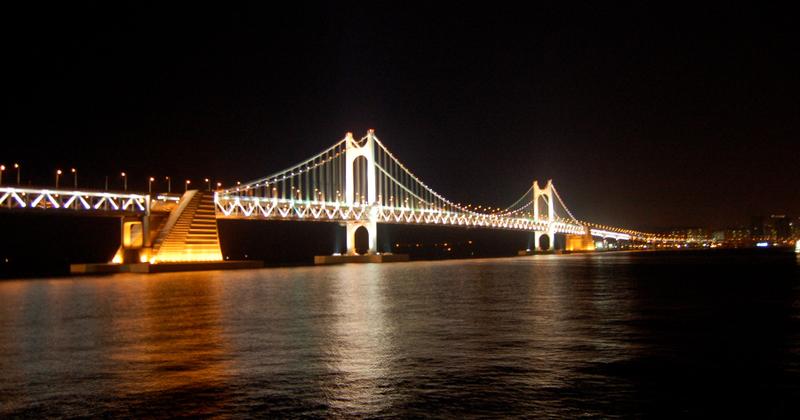
Busan, South Korea, in the southeast, sits on the Korea Strait, facing the Sea of Japan. The port is near Jagalchi Fish Market, where fresh seafood is sold daily. Haeundae Beach offers urban waterfront access, while Beomeosa Temple, in the forested hills, provides cultural history. The Gamcheon Culture Village, with colorful houses, draws visitors for its art and narrow alleys. Busan’s port history as a trading hub is evident in its maritime museum. The nearby Nakdong River Estuary is a birdwatching site, and the city’s coastal cliffs offer walking trails with ocean views.
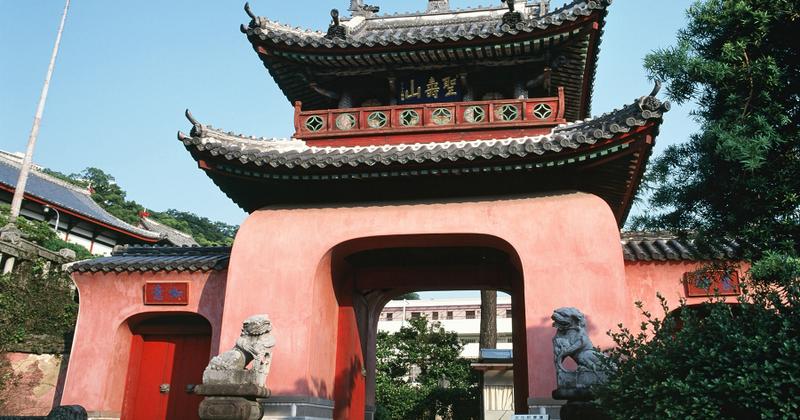
Nagasaki, Japan, offers docking at Nagasaki Port. Travelers explore the Peace Park and Atomic Bomb Museum. Excursions visit Glover Garden’s colonial mansions. Local markets sell champon noodles. The peak season, March to May, brings cherry blossoms and mild weather. Photography captures historic sites and Dejima Island views. Dining onboard includes sara udon, a Nagasaki dish. Souvenirs, like castella cakes, are sold in ship shops. Briefings cover Nagasaki’s WWII history. Light layers suit the temperate climate, while comfortable shoes enhance park walks. Nagasaki’s blend of history and resilience offers a poignant Japanese stop. Cruise travelers enjoy a mix of somber memorials, colonial heritage, and scenic harbors, making Nagasaki an engaging destination for exploring Japan’s cultural and historical depth on Kyushu Island.
Take advantage of the many on board activites during your day at sea. You'll have more than enough to fill your day!
Yokohama (Tokyo), Japan, offers docking at Yokohama Port with excursions to Tokyo. Travelers explore Senso-ji Temple and Shibuya Crossing. Excursions visit Kamakura’s Great Buddha. Local markets sell yakitori. The peak season, April to October, brings mild weather for city tours. Photography captures neon streets and Tokyo Bay vistas. Dining onboard includes sushi, a Japanese favorite. Souvenirs, like ukiyo-e prints, are sold in ship shops. Briefings cover Edo history. Light clothing and sun protection suit the temperate climate, while comfortable shoes enhance city walks. Yokohama’s urban gateway offers a vibrant Japanese stop. Cruise travelers enjoy a mix of historic temples and modern cityscapes, making Yokohama an engaging destination.
Take advantage of the many on board activites during your day at sea. You'll have more than enough to fill your day!
Nagasaki, Japan, offers docking at Nagasaki Port. Travelers explore the Peace Park and Atomic Bomb Museum. Excursions visit Glover Garden’s colonial mansions. Local markets sell champon noodles. The peak season, March to May, brings cherry blossoms and mild weather. Photography captures historic sites and Dejima Island views. Dining onboard includes sara udon, a Nagasaki dish. Souvenirs, like castella cakes, are sold in ship shops. Briefings cover Nagasaki’s WWII history. Light layers suit the temperate climate, while comfortable shoes enhance park walks. Nagasaki’s blend of history and resilience offers a poignant Japanese stop. Cruise travelers enjoy a mix of somber memorials, colonial heritage, and scenic harbors, making Nagasaki an engaging destination for exploring Japan’s cultural and historical depth on Kyushu Island.
Busan, South Korea, in the southeast, sits on the Korea Strait, facing the Sea of Japan. The port is near Jagalchi Fish Market, where fresh seafood is sold daily. Haeundae Beach offers urban waterfront access, while Beomeosa Temple, in the forested hills, provides cultural history. The Gamcheon Culture Village, with colorful houses, draws visitors for its art and narrow alleys. Busan’s port history as a trading hub is evident in its maritime museum. The nearby Nakdong River Estuary is a birdwatching site, and the city’s coastal cliffs offer walking trails with ocean views.
Kanmon Straits, Japan, no docking; ships transit the narrow strait. Travelers spot fishing boats. Lectures cover WWII history. No facilities; provisions from ship. Peak season April to October; tides affect. Photography captures Shimonoseki bridges. Dining onboard includes fugu. Souvenirs, like strait postcards, in ship shops. Briefings on navigation. The straits connect Honshu and Kyushu efficiently.
Hiroshima, Japan, has docking at Hiroshima Port. Travelers explore Peace Memorial Park and Atomic Bomb Dome. Excursions visit Miyajima’s floating Itsukushima Shrine. Local markets sell okonomiyaki. The peak season, March to May, brings cherry blossoms. Photography captures historic sites and island shrines. Dining onboard includes Hiroshima-style okonomiyaki. Souvenirs, like peace cranes, are sold in ship shops. Briefings cover WWII history. Light layers suit the temperate climate. Comfortable shoes enhance park walks. Hiroshima’s poignant history offers a profound Japanese stop, blending peace advocacy with cultural heritage.
Miyazaki, Japan, provides docking at Miyazaki Port. Travelers explore Aoshima Island’s “Devil’s Washboard” rock formations and Miyazaki-jingu Shrine. Excursions visit Udo Shrine’s cliffside caves. Local markets sell chicken nanban. The peak season, March to May, brings mild weather and cherry blossoms. Photography captures coastal geology and Shinto shrines. Dining onboard includes katsu curry, a Japanese favorite. Souvenirs, like obi sashes, are sold in ship shops. Briefings cover Kyushu’s history. Light layers suit the temperate climate, while comfortable shoes enhance shrine and coastal walks. Miyazaki’s blend of natural beauty and spiritual sites offers a serene Japanese stop. Cruise travelers enjoy a mix of unique geological formations, Shinto heritage, and coastal charm, making Miyazaki a delightful destination for exploring Japan’s cultural and natural treasures in Kyushu.
Tokushima, Japan, offers docking at Tokushima Port. Travelers explore Naruto Whirlpools and Awa Odori Museum. Excursions visit Ryozenji Temple. Local markets sell sudachi. The peak season, April to October, brings mild weather for coastal tours. Photography captures tidal swirls and Seto Inland Sea vistas. Dining onboard includes soba, a Japanese favorite. Souvenirs, like indigo crafts, are sold in ship shops. Briefings cover Shikoku history. Light clothing and sun protection suit the temperate climate, while comfortable shoes enhance temple walks. Tokushima’s cultural charm offers a vibrant Japanese stop. Cruise travelers enjoy a mix of natural phenomena and traditional heritage, making Tokushima an engaging destination for exploration.
Shimizu, Japan, offers docking at Shimizu Port. Travelers explore Mount Fuji viewpoints and Nihondaira’s tea gardens. Excursions visit Shizuoka’s Toro Ruins. Local markets sell wasabi. The peak season, April to October, brings mild weather for coastal tours. Photography captures Fuji’s slopes and Suruga Bay vistas. Dining onboard includes unagi, a Japanese favorite. Souvenirs, like tea crafts, are sold in ship shops. Briefings cover Shizuoka history. Light clothing and sun protection suit the temperate climate, while comfortable shoes enhance garden walks. Shimizu’s scenic charm offers a vibrant Japanese stop. Cruise travelers enjoy a mix of natural beauty and cultural heritage, making Shimizu an engaging destination for exploring Japan’s Fuji region.
Yokohama (Tokyo), Japan, offers docking at Yokohama Port with excursions to Tokyo. Travelers explore Senso-ji Temple and Shibuya Crossing. Excursions visit Kamakura’s Great Buddha. Local markets sell yakitori. The peak season, April to October, brings mild weather for city tours. Photography captures neon streets and Tokyo Bay vistas. Dining onboard includes sushi, a Japanese favorite. Souvenirs, like ukiyo-e prints, are sold in ship shops. Briefings cover Edo history. Light clothing and sun protection suit the temperate climate, while comfortable shoes enhance city walks. Yokohama’s urban gateway offers a vibrant Japanese stop. Cruise travelers enjoy a mix of historic temples and modern cityscapes, making Yokohama an engaging destination.