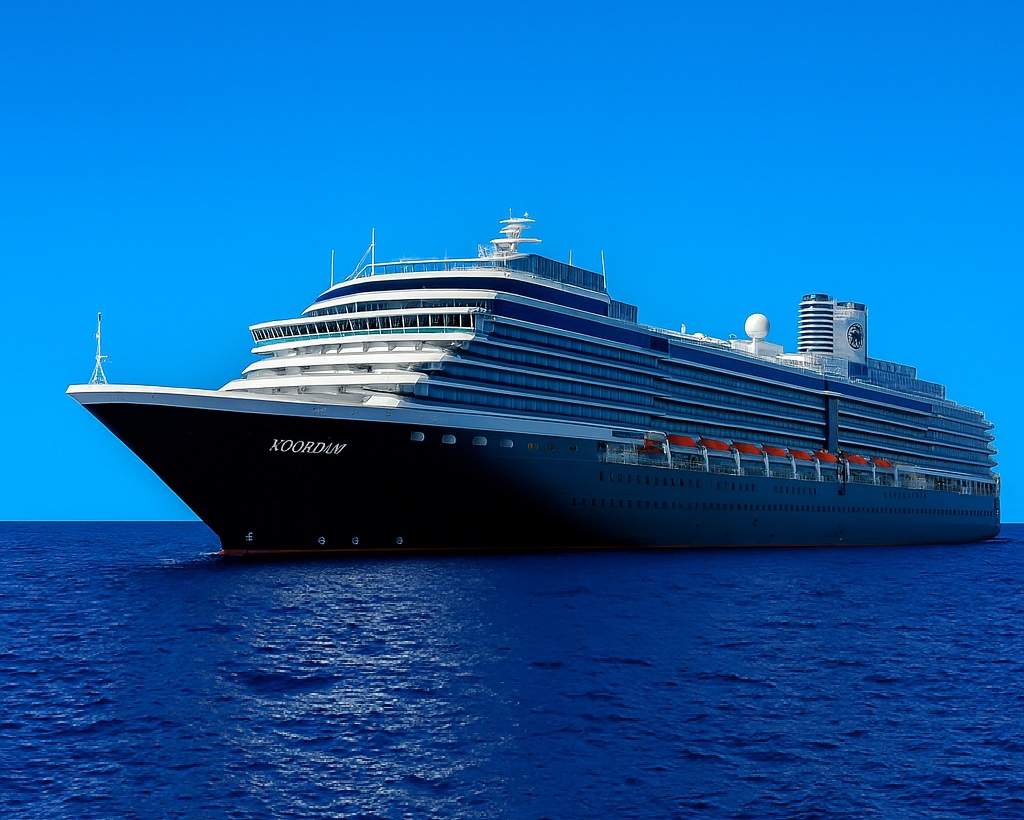


The September 26, 2027 cruise on the MS Noordam departs from Tokyo, Japan. On this 28 Night Circle Japan (Tokyo Roundtrip) sailing, the ship will visit a total of 17 cruise port destinations, including its departure port. The MS Noordam sets sail on Sunday, Sep 26th and returns on Sunday, Oct 24th.
The graph below tracks historic price of the MS Noordam cruise ship departing September 26, 2027. The most recent price for this sailing starts at $4,569 ($164 per night) for an Inside Cabin. Compared to the average price of $4,559 ($163 per night), this represents a recent increase of 0%.
Use the buttons below to toggle between cabin types.
MS Noordam - September 26, 2027 - 28 Nights
| Day | Date | Port |
|---|---|---|
| 1 | Sep 26th | Tokyo, Japan |
| 2 | Sep 27th | Shimizu, Japan |
| 3 | Sep 28th | Osaka, Japan |
| 4 | Sep 29th | At Sea |
| 5 | Sep 30th | Hiroshima, Japan |
| 6 | Sep 26th | Cruise Kanmon Straits, Japan |
| 7 | Oct 2nd | Busan (Pusan), South Korea |
| 8 | Oct 3rd | Sakaiminato, Japan |
| 9 | Oct 4th | Maizuru, Japan |
| 10 | Oct 5th | Kanazawa, Japan |
| 11 | Oct 6th | At Sea |
| 12 | Oct 7th | Hakodate, Japan |
| 13 | Oct 8th | Miyako, Japan |
| 14 | Oct 9th | Hitachinaka, Japan |
| 15 | Oct 10th | Tokyo, Japan |
| 16 | Oct 11th | Shimizu, Japan |
| 17 | Oct 12th | Osaka, Japan |
| 18 | Oct 13th | Kochi, Japan |
| 19 | Sep 26th | Cruise Kanmon Straits, Japan |
| 20 | Oct 15th | Fukuoka, Japan |
| 21 | Oct 16th | Yeosu, South Korea |
| 22 | Oct 17th | At Sea |
| 23 | Oct 18th | Kanazawa, Japan |
| 24 | Oct 19th | Niigata, Honshu, Japan |
| 25 | Oct 20th | Hakodate, Japan |
| 26 | Oct 21st | Aomori, Japan |
| 27 | Oct 22nd | Miyako, Japan |
| 28 | Oct 23rd | At Sea |
| 29 | Oct 24th | Tokyo, Japan |
The MS Noordam sails on September 26, 2027 for a 28 Night Circle Japan (Tokyo Roundtrip). The ship will depart the port of Tokyo, Japan at 7:00 PM and will return to the port of Tokyo, Japan on Oct 24th at 8:00 AM. During the 29-day journey, the MS Noordam will visit 16 additional ports and will spend 4 days at sea.
Based on my comprehensive research of cruise port safety information, including recent crime reports, travel advisories, Global Peace Index rankings, and specific port security concerns, we've created a "safety score" for each cruise port stop. The overall rating below represents a combined score for your specific cruise itinerary.

The MS Noordam has a construction date of 2006 and a total size of 82,500 gross tons. The ship measures 936 feet (285 meters) in length. MS Noordam is included in Holland America’s Vista Class Class. At full capacity, the MS Noordam holds 2,716 passengers. That includes 1,916 cruise vacationers and 800 staff members. The MS Noordam total number of staterooms is 986.
To see how this compares, click through to see MS Noordam age and stats vs all Holland America ships. There you’ll find graphs showing length, capacity, tonnage and more for this ship vs all in the fleet.
To check out the ship from top to bottom, click here for MS Noordam Deck Plans.
Tolanaro (Fort Dauphin), Madagascar, offers docking at Tolanaro Port. Travelers explore Nahampoana Reserve and Libanona Beach. Excursions include lemur-watching at Berenty Reserve. Local markets sell zebu curry. The peak season, May to October, brings dry weather for coastal tours. Photography captures rainforests and Indian Ocean vistas. Dining onboard includes romazava, a Malagasy favorite. Souvenirs, like raffia crafts, are sold in ship shops. Briefings cover Tsitongambarika history. Light clothing and sun protection suit the tropical climate, while sturdy shoes enhance reserve walks. Tolanaro’s natural allure offers a vibrant Malagasy stop. Cruise travelers enjoy a mix of unique wildlife and scenic beaches, making Tolanaro an engaging destination for exploration.
Shimizu, Japan, offers docking at Shimizu Port. Travelers explore Mount Fuji viewpoints and Nihondaira’s tea gardens. Excursions visit Shizuoka’s Toro Ruins. Local markets sell wasabi. The peak season, April to October, brings mild weather for coastal tours. Photography captures Fuji’s slopes and Suruga Bay vistas. Dining onboard includes unagi, a Japanese favorite. Souvenirs, like tea crafts, are sold in ship shops. Briefings cover Shizuoka history. Light clothing and sun protection suit the temperate climate, while comfortable shoes enhance garden walks. Shimizu’s scenic charm offers a vibrant Japanese stop. Cruise travelers enjoy a mix of natural beauty and cultural heritage, making Shimizu an engaging destination for exploring Japan’s Fuji region.
Osaka, Japan, provides docking at Osaka Port. Travelers explore Osaka Castle and Dotonbori’s vibrant food scene. Excursions visit Kyoto’s Kinkaku-ji Temple. Local markets sell takoyaki. The peak season, March to May, brings cherry blossoms and mild weather. Photography captures samurai castles and neon-lit canals. Dining onboard includes okonomiyaki, an Osaka favorite. Souvenirs, like tenugui cloths, are sold in ship shops. Briefings cover Kansai history. Light layers suit the temperate climate, while comfortable shoes enhance city walks. Osaka’s dynamic urban culture offers a vibrant Japanese stop. Cruise travelers enjoy a mix of historic landmarks, culinary delights, and modern energy, making Osaka an engaging destination for exploring Japan’s Kansai region and cultural heritage.
Take advantage of the many on board activites during your day at sea. You'll have more than enough to fill your day!
Hiroshima, Japan, has docking at Hiroshima Port. Travelers explore Peace Memorial Park and Atomic Bomb Dome. Excursions visit Miyajima’s floating Itsukushima Shrine. Local markets sell okonomiyaki. The peak season, March to May, brings cherry blossoms. Photography captures historic sites and island shrines. Dining onboard includes Hiroshima-style okonomiyaki. Souvenirs, like peace cranes, are sold in ship shops. Briefings cover WWII history. Light layers suit the temperate climate. Comfortable shoes enhance park walks. Hiroshima’s poignant history offers a profound Japanese stop, blending peace advocacy with cultural heritage.
Kanmon Straits, Japan, no docking; ships transit the narrow strait. Travelers spot fishing boats. Lectures cover WWII history. No facilities; provisions from ship. Peak season April to October; tides affect. Photography captures Shimonoseki bridges. Dining onboard includes fugu. Souvenirs, like strait postcards, in ship shops. Briefings on navigation. The straits connect Honshu and Kyushu efficiently.
Busan, South Korea, in the southeast, sits on the Korea Strait, facing the Sea of Japan. The port is near Jagalchi Fish Market, where fresh seafood is sold daily. Haeundae Beach offers urban waterfront access, while Beomeosa Temple, in the forested hills, provides cultural history. The Gamcheon Culture Village, with colorful houses, draws visitors for its art and narrow alleys. Busan’s port history as a trading hub is evident in its maritime museum. The nearby Nakdong River Estuary is a birdwatching site, and the city’s coastal cliffs offer walking trails with ocean views.
Sakaiminato, Japan, offers docking at Sakaiminato Port. Travelers explore Mizuki Shigeru’s yokai museum and Tottori Sand Dunes. Excursions visit Matsue Castle. Local markets sell kani sushi. The peak season, April to October, brings mild weather for coastal tours. Photography captures manga art and Sea of Japan vistas. Dining onboard includes dashi broth, a Japanese favorite. Souvenirs, like yokai crafts, are sold in ship shops. Briefings cover Tottori history. Light layers suit the temperate climate, while comfortable shoes enhance dune walks. Sakaiminato’s quirky charm offers a vibrant Japanese stop. Cruise travelers enjoy a mix of cultural museums, scenic dunes, and coastal heritage, making Sakaiminato an engaging destination for exploration.
Maizuru, Japan, features docking at Maizuru Port. Travelers explore the Red Brick Park’s historic warehouses and Maizuru Castle ruins. Excursions visit Amanohashidate, one of Japan’s three scenic views. Local markets sell crab. The peak season, March to May, brings cherry blossoms and mild weather. Photography captures Kyoto’s coastal beauty and sandbars. Dining onboard includes kani miso, a crab dish. Souvenirs, like lacquerware, are sold in ship shops. Briefings cover samurai history. Light layers suit the temperate climate, while comfortable shoes enhance scenic walks. Maizuru’s blend of maritime history and natural beauty offers a serene Japanese stop. Cruise travelers experience a mix of historic sites, scenic landscapes, and coastal charm, making Maizuru a tranquil yet captivating destination for those exploring Japan’s less-traveled Kyoto region.
Kanazawa, Japan, has docking at Kanazawa Port. Travelers explore Kenrokuen Garden’s serene landscapes. Excursions visit Higashi Chaya’s geisha district. Local markets sell kaga yuzen silk. The peak season, March to May, brings cherry blossoms. Photography captures gardens and traditional teahouses. Dining onboard includes kaga ryori, a local cuisine. Souvenirs, like gold leaf crafts, are sold in ship shops. Briefings cover samurai history. Light layers suit the temperate climate. Comfortable shoes enhance garden walks. Kanazawa’s cultural elegance offers a refined Japanese stop, blending heritage with scenic beauty.
Take advantage of the many on board activites during your day at sea. You'll have more than enough to fill your day!
Hakodate, Japan, has docking at Hakodate Port. Travelers explore Goryokaku Fortress’ star-shaped design. Excursions visit Onuma Park’s scenic lakes. Local markets sell fresh squid. The peak season, April to June, brings mild weather. Photography captures night views from Mount Hakodate. Dining onboard includes kaisen don, a seafood bowl. Souvenirs, like glass crafts, are sold in ship shops. Briefings cover Hokkaido’s history. Light layers suit the temperate climate. Comfortable shoes enhance fortress tours. Hakodate’s historic charm and scenic beauty offer a serene Japanese stop, blending culture with natural splendor.
Miyako, Japan, offers docking at Hirara Port. Travelers explore Sunayama Beach’s coral sands and Irabu Bridge’s scenic views. Excursions snorkel Yabiji Reef, Japan’s largest coral system. Local markets sell otori liquor. The peak season, April to October, brings warm weather for beach activities. Photography captures turquoise waters and limestone arches. Dining onboard includes soki soba, an Okinawan noodle dish. Souvenirs, like shisa statues, are sold in ship shops. Briefings cover Ryukyu culture. Light clothing and sun protection suit the subtropical climate, while snorkeling gear enhances reef exploration. Miyako’s tropical paradise offers a vibrant Japanese stop. Cruise travelers enjoy a blend of pristine beaches, vibrant marine life, and Okinawan traditions, making Miyako an ideal destination for relaxation and cultural exploration in Japan’s southern islands.
Hitachinaka, Japan, has docking at Hitachinaka Port. Travelers explore Hitachi Seaside Park’s seasonal flower fields. Excursions visit Oarai’s marine tower for coastal views. Local markets sell natto. The peak season, April to May, brings vibrant blooms. Photography captures flower fields and Pacific shores. Dining onboard includes katsu curry, a Japanese favorite. Souvenirs, like floral crafts, are sold in ship shops. Briefings cover Ibaraki’s history. Light layers suit the temperate climate. Comfortable shoes enhance park walks. Hitachinaka’s floral beauty offers a serene Japanese stop, blending natural splendor with coastal charm.
Tolanaro (Fort Dauphin), Madagascar, offers docking at Tolanaro Port. Travelers explore Nahampoana Reserve and Libanona Beach. Excursions include lemur-watching at Berenty Reserve. Local markets sell zebu curry. The peak season, May to October, brings dry weather for coastal tours. Photography captures rainforests and Indian Ocean vistas. Dining onboard includes romazava, a Malagasy favorite. Souvenirs, like raffia crafts, are sold in ship shops. Briefings cover Tsitongambarika history. Light clothing and sun protection suit the tropical climate, while sturdy shoes enhance reserve walks. Tolanaro’s natural allure offers a vibrant Malagasy stop. Cruise travelers enjoy a mix of unique wildlife and scenic beaches, making Tolanaro an engaging destination for exploration.
Shimizu, Japan, offers docking at Shimizu Port. Travelers explore Mount Fuji viewpoints and Nihondaira’s tea gardens. Excursions visit Shizuoka’s Toro Ruins. Local markets sell wasabi. The peak season, April to October, brings mild weather for coastal tours. Photography captures Fuji’s slopes and Suruga Bay vistas. Dining onboard includes unagi, a Japanese favorite. Souvenirs, like tea crafts, are sold in ship shops. Briefings cover Shizuoka history. Light clothing and sun protection suit the temperate climate, while comfortable shoes enhance garden walks. Shimizu’s scenic charm offers a vibrant Japanese stop. Cruise travelers enjoy a mix of natural beauty and cultural heritage, making Shimizu an engaging destination for exploring Japan’s Fuji region.
Osaka, Japan, provides docking at Osaka Port. Travelers explore Osaka Castle and Dotonbori’s vibrant food scene. Excursions visit Kyoto’s Kinkaku-ji Temple. Local markets sell takoyaki. The peak season, March to May, brings cherry blossoms and mild weather. Photography captures samurai castles and neon-lit canals. Dining onboard includes okonomiyaki, an Osaka favorite. Souvenirs, like tenugui cloths, are sold in ship shops. Briefings cover Kansai history. Light layers suit the temperate climate, while comfortable shoes enhance city walks. Osaka’s dynamic urban culture offers a vibrant Japanese stop. Cruise travelers enjoy a mix of historic landmarks, culinary delights, and modern energy, making Osaka an engaging destination for exploring Japan’s Kansai region and cultural heritage.
Kochi, Japan, has docking at Kochi Port. Travelers explore Kochi Castle’s samurai history. Excursions visit Katsurahama Beach and Ryugado Cave. Local markets sell bonito flakes. The peak season, March to May, brings mild weather. Photography captures castle views and Pacific shores. Dining onboard includes katsuo tataki, a local seared tuna. Souvenirs, like yosakoi crafts, are sold in ship shops. Briefings cover Shikoku’s history. Light layers suit the temperate climate. Comfortable shoes enhance castle tours. Kochi’s coastal heritage offers a serene Japanese stop, blending samurai history with scenic beauty.
Kanmon Straits, Japan, no docking; ships transit the narrow strait. Travelers spot fishing boats. Lectures cover WWII history. No facilities; provisions from ship. Peak season April to October; tides affect. Photography captures Shimonoseki bridges. Dining onboard includes fugu. Souvenirs, like strait postcards, in ship shops. Briefings on navigation. The straits connect Honshu and Kyushu efficiently.
Fukuoka, Japan, offers docking at Hakata Port. Travelers explore Dazaifu Tenmangu Shrine’s historic gardens. Excursions visit Canal City’s vibrant shopping complex. Local markets sell hakata ramen. The peak season, March to May, brings cherry blossoms and mild weather. Photography captures shrine architecture and modern cityscapes. Dining onboard includes tonkotsu ramen, a local specialty. Souvenirs, like furoshiki cloths, are available in ship shops. Briefings cover Kyushu’s history. Light layers suit the temperate climate. Comfortable shoes enhance shrine visits. Fukuoka’s blend of ancient shrines and modern vibrancy provides a dynamic Japanese stop, immersing travelers in its rich cultural heritage and lively urban energy.
Yeosu, South Korea, offers docking at Yeosu Port. Travelers explore Odongdo Island and Hyangiram Hermitage. Excursions visit Suncheon Bay’s wetlands. Local markets sell hoe. The peak season, April to October, brings mild weather for coastal tours. Photography captures camellia islands and Sea of Japan vistas. Dining onboard includes bibimbap, a Korean favorite. Souvenirs, like seaweed crafts, are sold in ship shops. Briefings cover Jeolla history. Light clothing and sun protection suit the temperate climate, while sturdy shoes enhance hermitage hikes. Yeosu’s coastal charm offers a vibrant South Korean stop. Cruise travelers enjoy a mix of scenic islands and cultural heritage, making Yeosu an engaging destination for exploration.
Take advantage of the many on board activites during your day at sea. You'll have more than enough to fill your day!
Kanazawa, Japan, has docking at Kanazawa Port. Travelers explore Kenrokuen Garden’s serene landscapes. Excursions visit Higashi Chaya’s geisha district. Local markets sell kaga yuzen silk. The peak season, March to May, brings cherry blossoms. Photography captures gardens and traditional teahouses. Dining onboard includes kaga ryori, a local cuisine. Souvenirs, like gold leaf crafts, are sold in ship shops. Briefings cover samurai history. Light layers suit the temperate climate. Comfortable shoes enhance garden walks. Kanazawa’s cultural elegance offers a refined Japanese stop, blending heritage with scenic beauty.
Niigata, Honshu, Japan, offers docking at Niigata Port. Travelers explore the Northern Culture Museum and Sado Island’s gold mines. Excursions visit Yahiko Shrine’s scenic trails. Local markets sell koshihikari rice. The peak season, April to October, brings mild weather for sightseeing. Photography captures traditional estates and Sea of Japan views. Dining onboard includes hegisoba, a Niigata noodle dish. Souvenirs, like sake bottles, are sold in ship shops. Briefings cover Niigata’s rice history. Light layers suit the temperate climate, while comfortable shoes enhance shrine walks. Niigata’s cultural and coastal charm offers a serene Japanese stop. Cruise travelers enjoy a mix of historic sites, scenic landscapes, and culinary traditions, making Niigata an engaging destination for exploring Japan’s Honshu heritage.
Hakodate, Japan, has docking at Hakodate Port. Travelers explore Goryokaku Fortress’ star-shaped design. Excursions visit Onuma Park’s scenic lakes. Local markets sell fresh squid. The peak season, April to June, brings mild weather. Photography captures night views from Mount Hakodate. Dining onboard includes kaisen don, a seafood bowl. Souvenirs, like glass crafts, are sold in ship shops. Briefings cover Hokkaido’s history. Light layers suit the temperate climate. Comfortable shoes enhance fortress tours. Hakodate’s historic charm and scenic beauty offer a serene Japanese stop, blending culture with natural splendor.
Aomori, Japan, docks at Aomori Port, 2 kilometers from downtown, with shuttles or taxis for 10-minute transfers. The city, population 280,000, features the Nebuta Museum, showcasing colorful floats from the August Nebuta Festival. Travelers visit Sannai-Maruyama, a 5-minute drive, for Jomon-era village reconstructions from 3900 BC. Hirosaki Castle, 45 minutes by train, offers cherry blossoms in April. Local markets sell apples and sake. Excursions to Lake Towada, 90 minutes south, include boat rides through volcanic scenery. Peak season April to October; taxis 800-1200 JPY. Dining features scallop miso soup at harbor cafes. Souvenirs include kokeshi dolls.
Miyako, Japan, offers docking at Hirara Port. Travelers explore Sunayama Beach’s coral sands and Irabu Bridge’s scenic views. Excursions snorkel Yabiji Reef, Japan’s largest coral system. Local markets sell otori liquor. The peak season, April to October, brings warm weather for beach activities. Photography captures turquoise waters and limestone arches. Dining onboard includes soki soba, an Okinawan noodle dish. Souvenirs, like shisa statues, are sold in ship shops. Briefings cover Ryukyu culture. Light clothing and sun protection suit the subtropical climate, while snorkeling gear enhances reef exploration. Miyako’s tropical paradise offers a vibrant Japanese stop. Cruise travelers enjoy a blend of pristine beaches, vibrant marine life, and Okinawan traditions, making Miyako an ideal destination for relaxation and cultural exploration in Japan’s southern islands.
Take advantage of the many on board activites during your day at sea. You'll have more than enough to fill your day!
Tolanaro (Fort Dauphin), Madagascar, offers docking at Tolanaro Port. Travelers explore Nahampoana Reserve and Libanona Beach. Excursions include lemur-watching at Berenty Reserve. Local markets sell zebu curry. The peak season, May to October, brings dry weather for coastal tours. Photography captures rainforests and Indian Ocean vistas. Dining onboard includes romazava, a Malagasy favorite. Souvenirs, like raffia crafts, are sold in ship shops. Briefings cover Tsitongambarika history. Light clothing and sun protection suit the tropical climate, while sturdy shoes enhance reserve walks. Tolanaro’s natural allure offers a vibrant Malagasy stop. Cruise travelers enjoy a mix of unique wildlife and scenic beaches, making Tolanaro an engaging destination for exploration.