

The Cunard Cruise Line fleet consists of 3 active cruise ships, ranging from ships built in 2003 to 2010. The average Cunard ship carries approximately 2,284 passengers and measures 1,020 feet in length. The combined fleet represents an estimated $2.7B in today's adjusted build cost.
All 3 ships
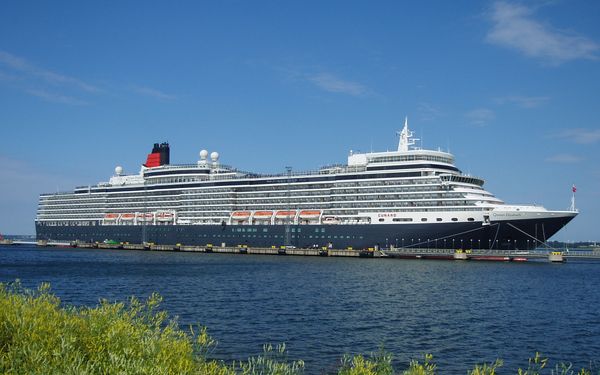
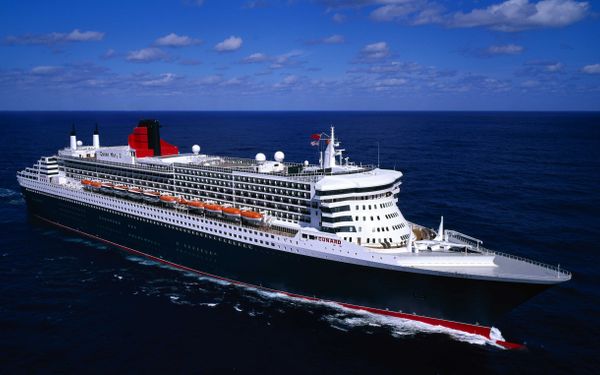 LARGEST IN FLEET// Grill and Britannia Class
Queen Mary 2
How big is my Cunard ship?
Every Cunard cruise ship in the fleet, ranked by size. Toggle between graphs to view a size comparison by gross tonnage, length and a scatter plot showing how the two relate for each Cunard ship.
The largest Cunard ship is Queen Mary 2 at 149k gross tons and 1,132 feet. The smallest is Queen Victoria at 90k GT, while the longest ship is Queen Mary 2 at 1,132 feet.
How old is my Cunard ship?
Cunard cruise ships span in age by 7 years, from 2003's Queen Mary 2 to 2010's Queen Elizabeth. Toggle the charts to view a full ships-by-size timeline to view all Cunard ships from oldest to newest.
Cunard ships by class
Explore each of Cunard's ship classes. The vessels included will share similar blueprints and features as part of that class.
Grill and Britanniaclass
2000's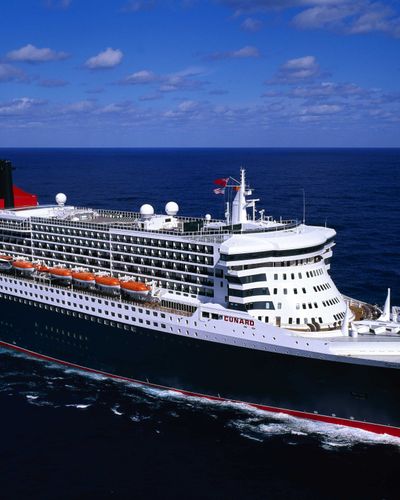
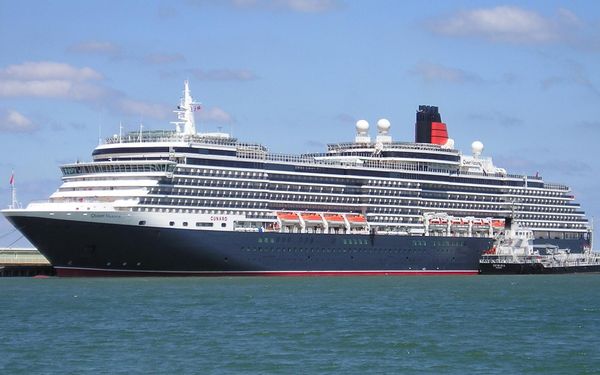
Vistaclass
2000's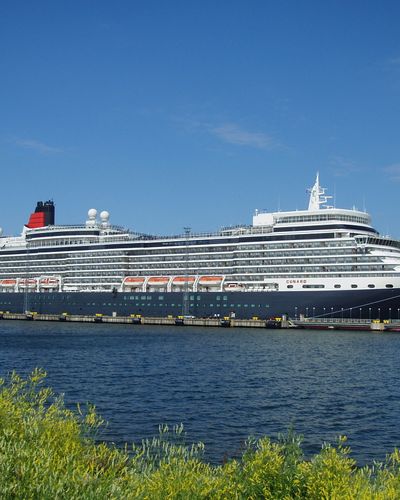
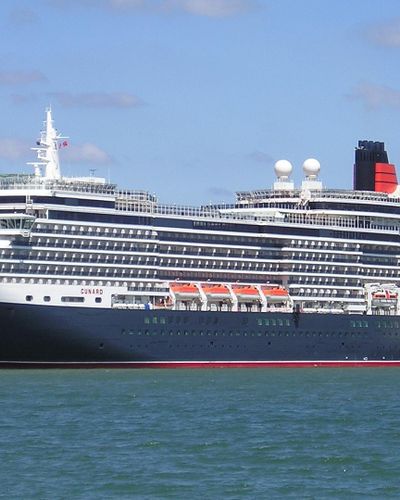
Cunard ships passengers vs staff
How many passengers are on your Cunard ship vs. the number of total staff? Below you'll find each ship's passenger capacity, crew count, and guest-to-crew ratio.
Across the fleet of 3 ships, Cunard employs 3,197 crew members to serve 6,853 passengers — a fleet-wide ratio of 2.14 guests per crew member. The best staffed ship is Queen Elizabeth with a ratio of 2.07:1.
How much does a Cunard ship cost?
Below you'll find the cost to build or acquire each Cunard cruise ship. The costs are adjusted to today's dollars using a 3% annual rate. Toggle between total cost, cost per cabin, and cost per gross ton to see how each ship's price compares once normalized.
The combined fleet value is $3.2B across 3 ships, with an average build cost of $1.06B per ship in today's dollars.
Build costs reflect original contract prices adjusted to today's dollars using a 3% annual compound inflation rate. Data compiled from public shipyard records and maritime industry databases. Figures are indicative estimates.